Mt Kilimanjaro
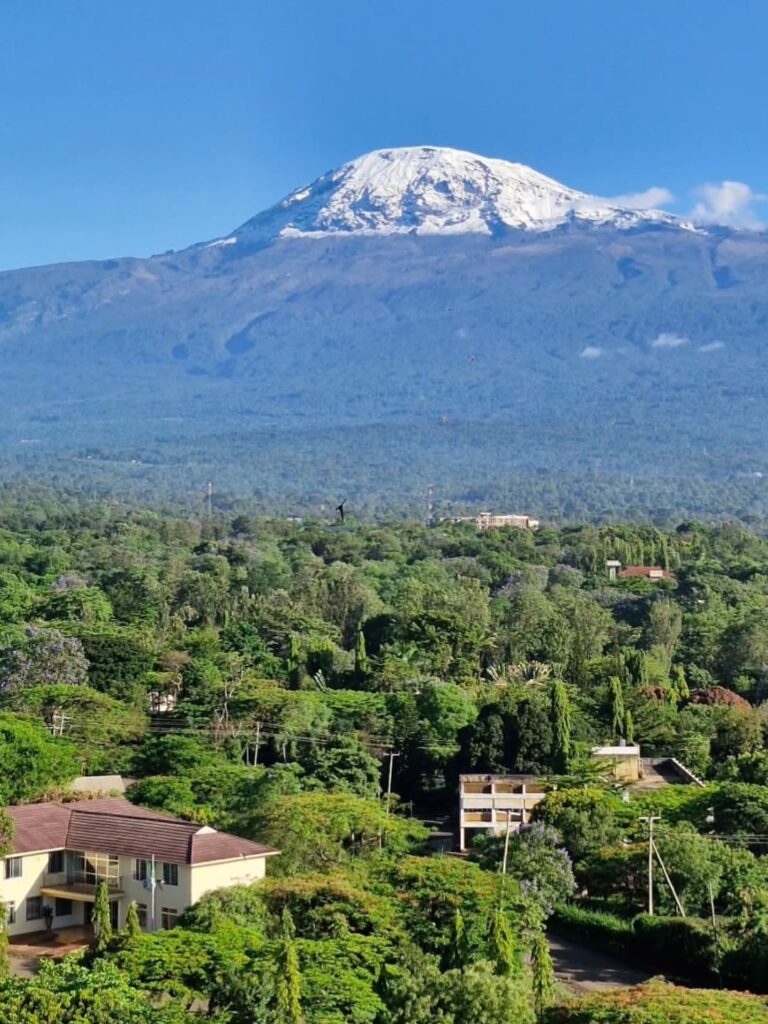
Mount Kilimanjaro is the highest mountain in Africa, standing at 5,895 meters (19,341 feet) above sea level.
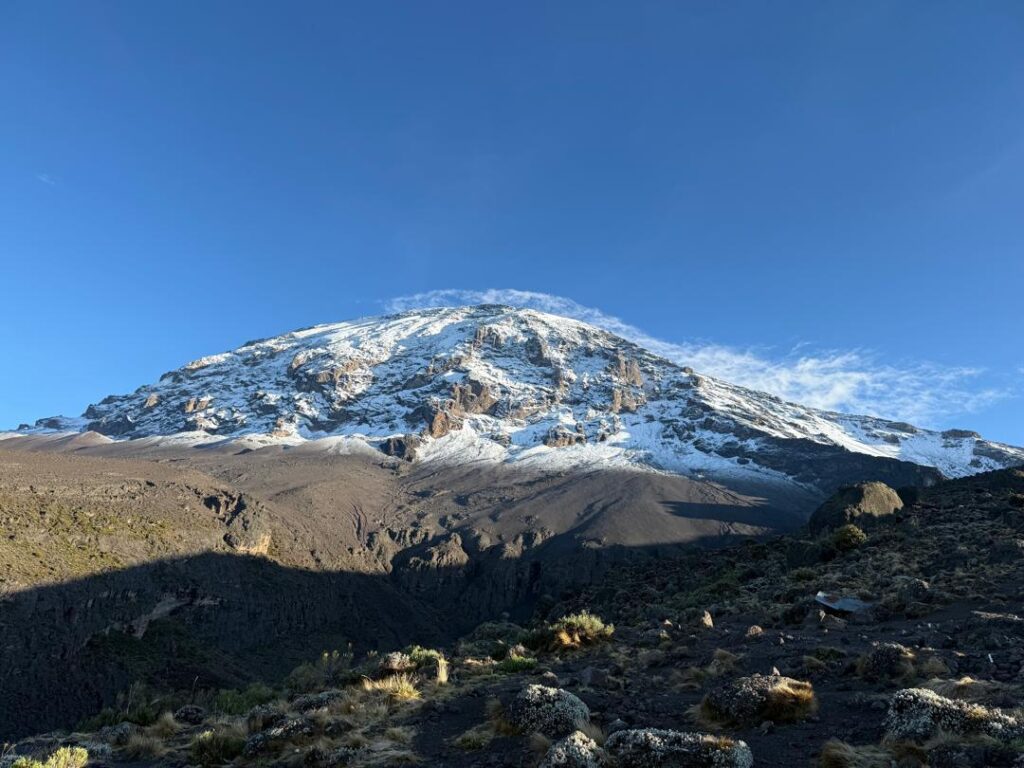
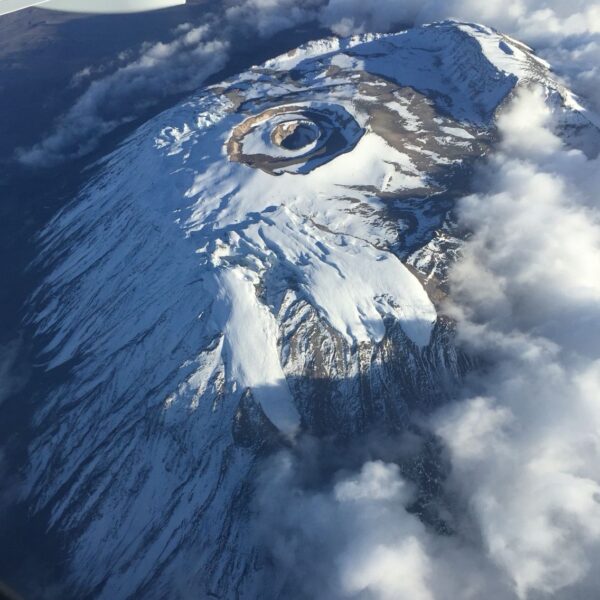
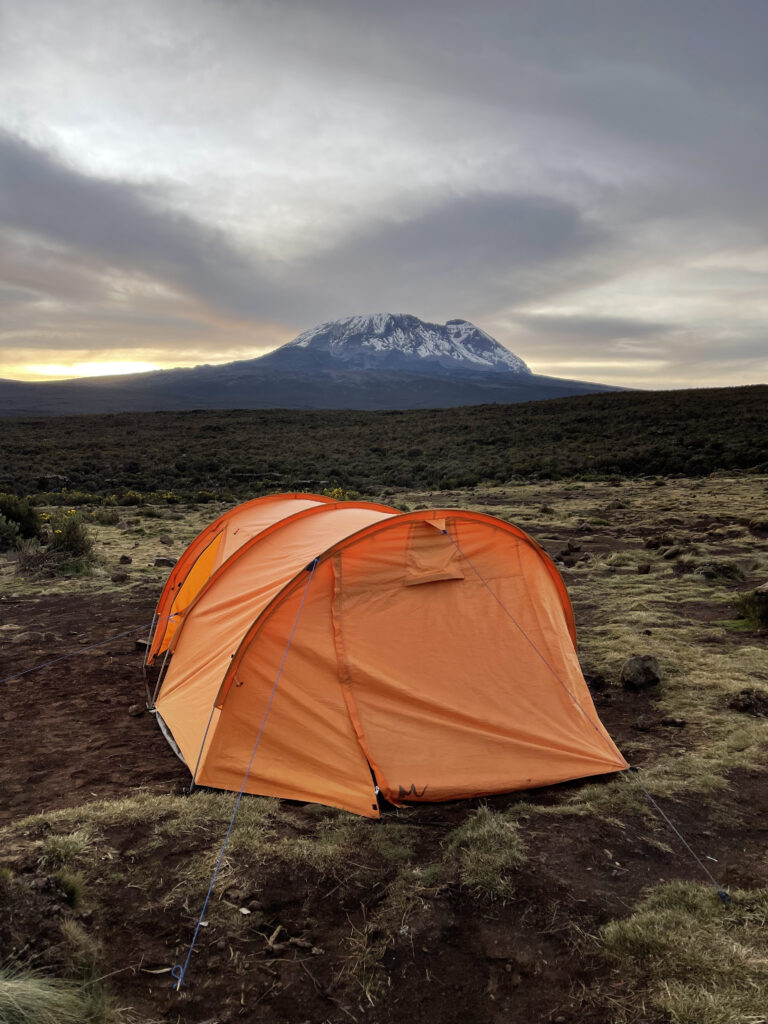
it is located in northern Tanzania and is made up of three volcanoes: Kibo, Mawenzi, and Shira. Among these, Kibo is the tallest and remains dormant, famously capped with snow at the top. In addition to its volcanic nature, Kilimanjaro is famous for being the world’s largest free-standing mountain that is not part of any mountain range.
As a result of its immense height, climbers pass through five different ecological zones, starting in a lush rainforest and ending at the icy summit. Because of this unique biodiversity and significance, it is designated as a UNESCO World Heritage Site and serves as a major symbol of Tanzanian pride. Consequently, many people call it “The Roof of Africa” due to its incredible height and beauty. Ultimately, thousands of trekkers visit each year to experience the challenge, nature, and culture of this special mountain.
History of Mount Kilimanjaro:
Mount Kilimanjaro’s formation began about 750,000 years ago with the activity of three volcanic cones: Kibo, Mawenzi, and Shira. Over millennia, these cones erupted and shaped the landscape into the majestic peak we see today. Eventually, Shira became dormant first, followed shortly after by Mawenzi, leaving Kibo as the only currently active cone, albeit with no recent eruptions.
In terms of its human history, the mountain has been known to the local Chagga people for centuries. However, it only entered Western consciousness in 1848 when German missionaries Johannes Rebmann and Ludwig Krapf recorded its existence. Initially, their reports of a snow-capped peak near the equator were met with skepticism by the scientific community. Nevertheless, subsequent explorations confirmed their observations, and Kilimanjaro soon gained international fame.
Building on this growing interest, the first successful ascent to the summit was achieved by Hans Meyer and Ludwig Purtscheller in 1889. Ultimately, this historic climb set the stage for countless adventurers seeking to reach the “Roof of Africa.”
Key Features and Attractions:
Uhuru Peak:
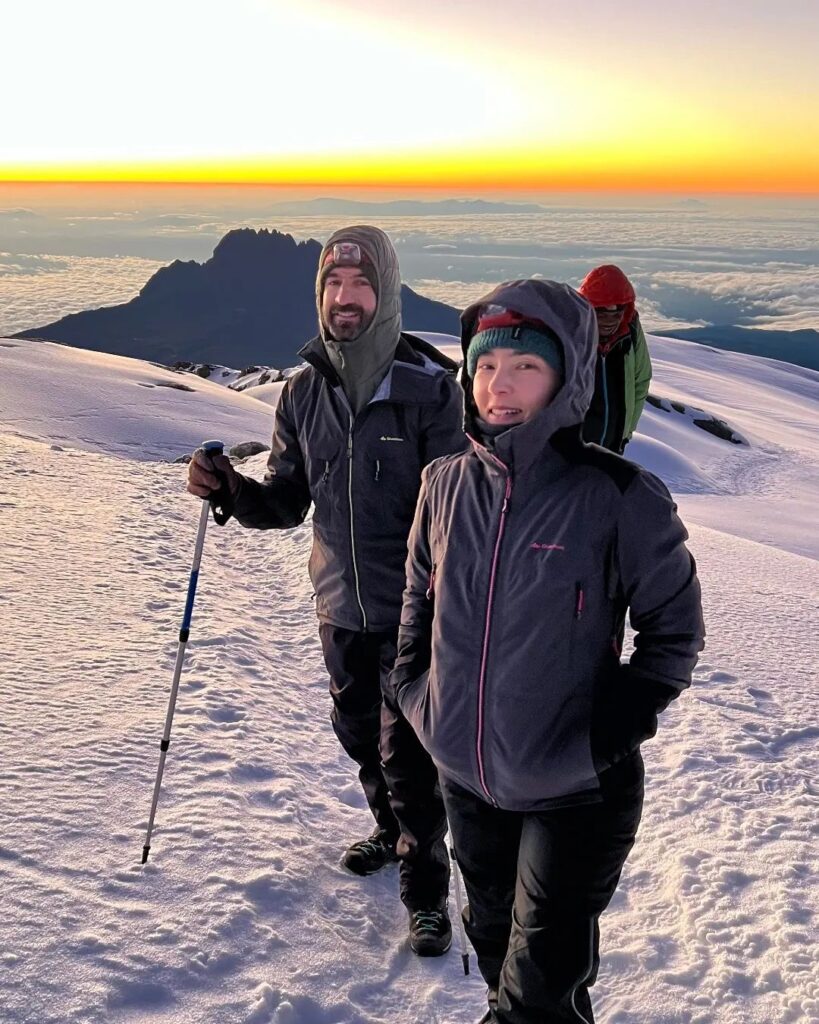
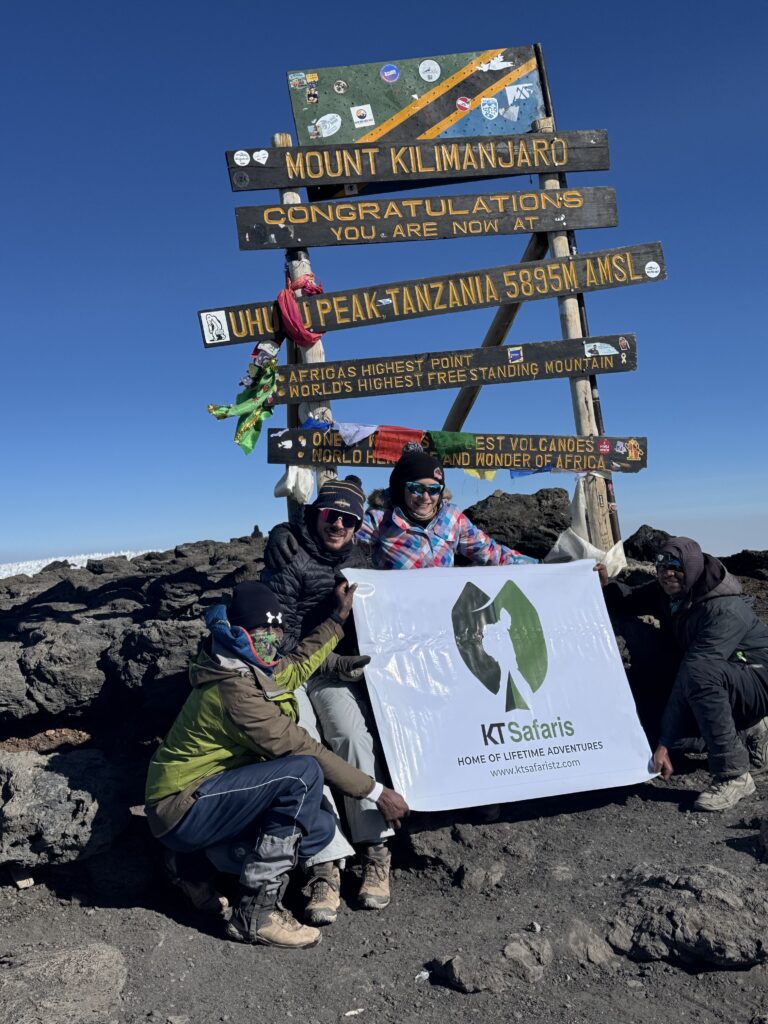
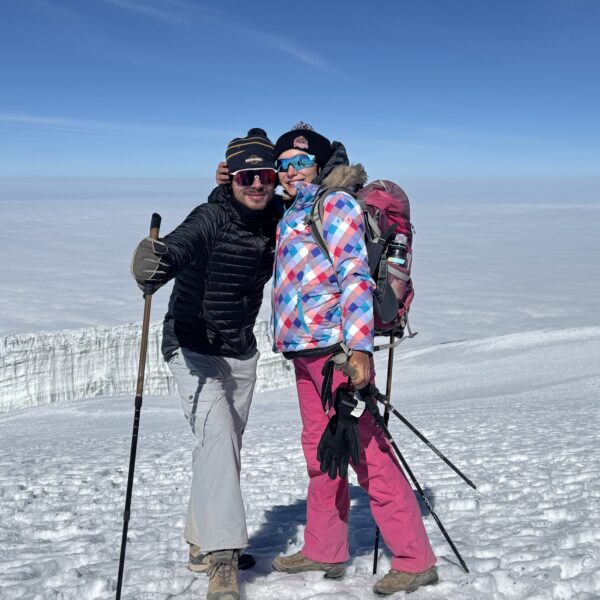
Ascending to Uhuru Peak is the pinnacle of any climber’s journey, where dreams meet reality. As the highest point on Kilimanjaro, the view from Uhuru is nothing short of spectacular. Standing on the summit, you’re rewarded with sweeping vistas of the Serengeti plains and the distant outline of Mount Kenya. The sense of triumph is electric, a testament to your perseverance and spirit.
Diverse Ecosystems:
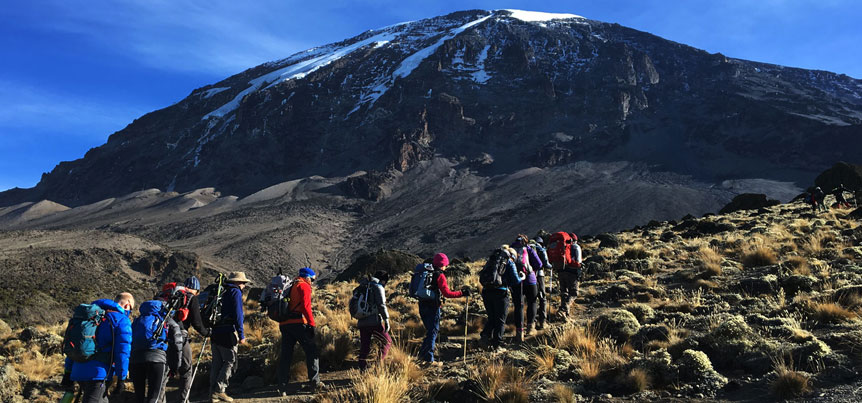
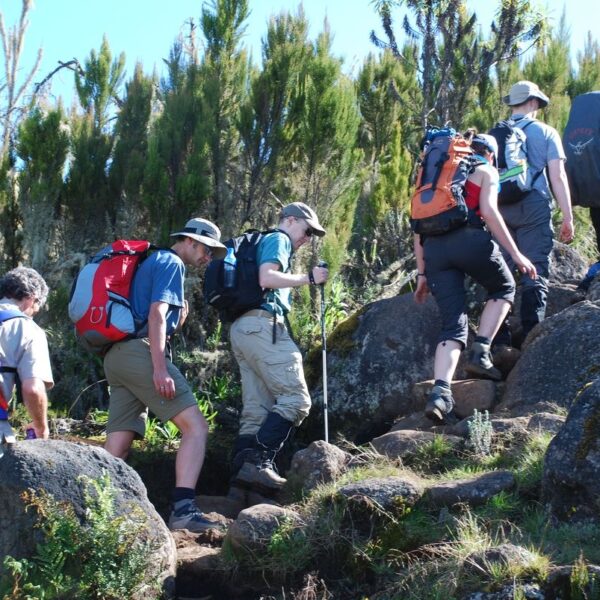
Kilimanjaro is a world of its own, with diverse ecosystems that change dramatically as you ascend. Starting in the lush montane forests, where colobus monkeys swing from tree to tree, the journey takes you through the heather and moorland zones, home to towering lobelias and colorful wildflowers. Higher still, the stark beauty of the alpine desert gives way to the glacial wonderland of the summit.
Glaciers and Snowfields:
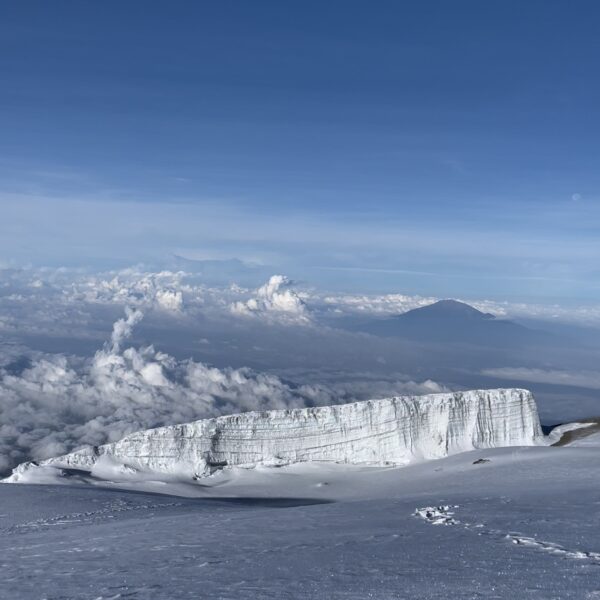
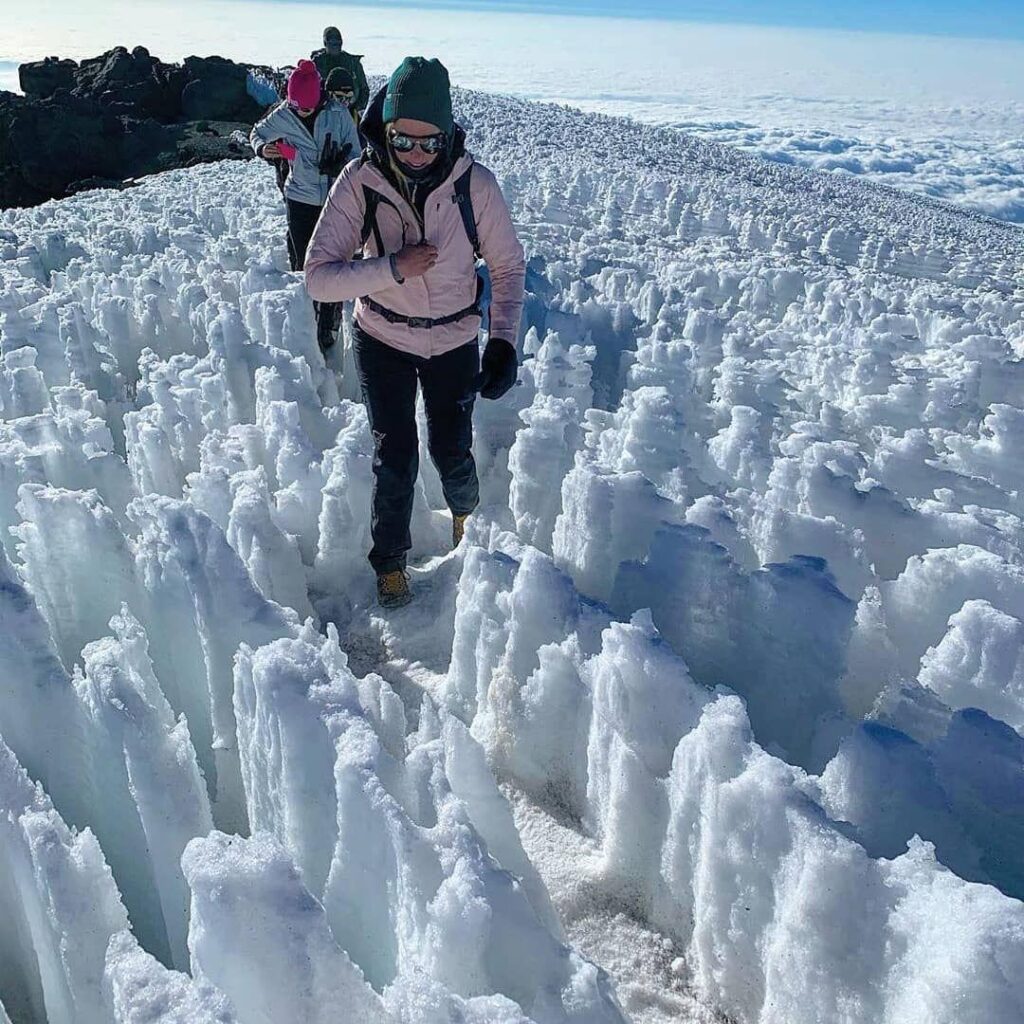
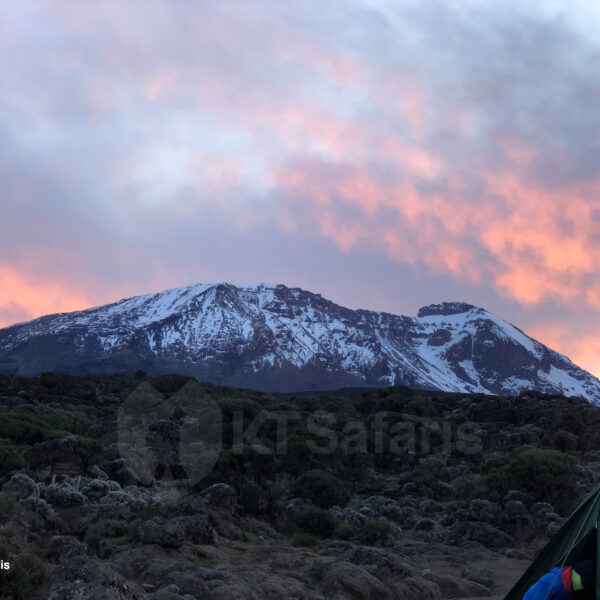
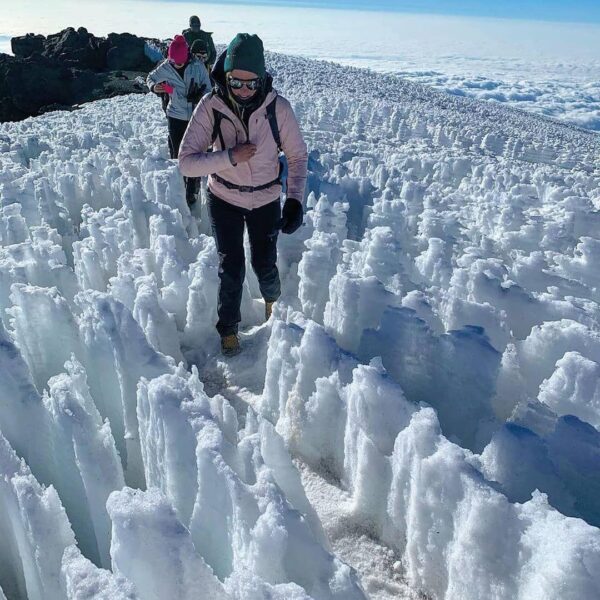
The enchanting glaciers and snowfields of Kilimanjaro stand as a testament to its ice-capped majesty. The Furtwängler Glacier, among others, glistens in the sunlight, creating an otherworldly scene that contrasts sharply with the dry savannah below. However, these magnificent ice formations are vanishing rapidly, adding a poignant urgency to your climb.
Shira Plateau:
The Shira Plateau offers an ethereal expanse of ancient volcanic caldera, dotted with unique flora and shrouded in an air of mystique. This serene spot, accessible via the Lemosho and Shira routes, provides an excellent acclimatization area and a welcome respite with its otherworldly charm.
Mawenzi Peak:
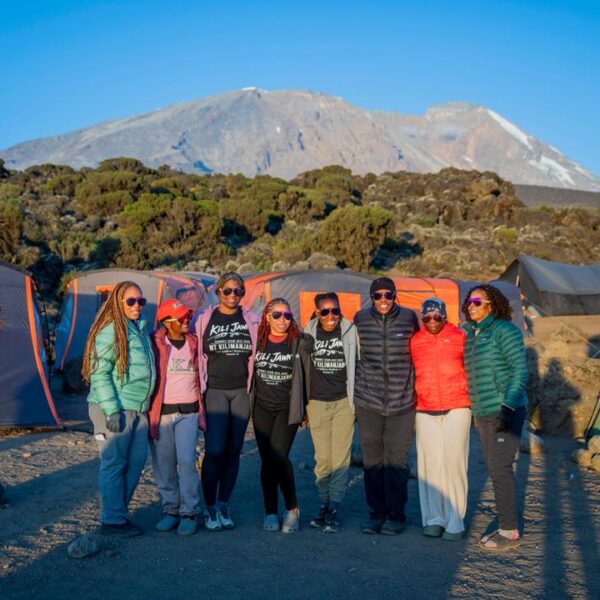
Mawenzi, Kilimanjaro’s dramatic eastern peak, adds to the mountain’s rugged allure. Although its steep and craggy slopes are less frequently trodden, Mawenzi’s presence enhances the overall visual splendor of Kilimanjaro. It stands as a stark reminder of the mountain’s volcanic origins and untamed beauty.
Climbing Routes:
Marangu Route:
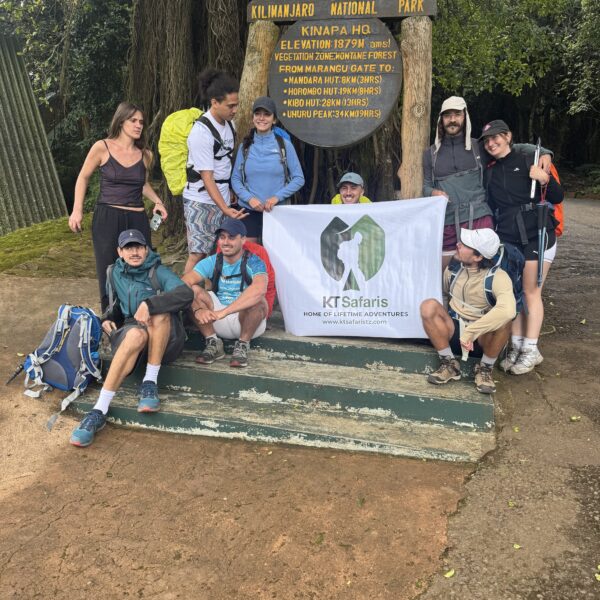
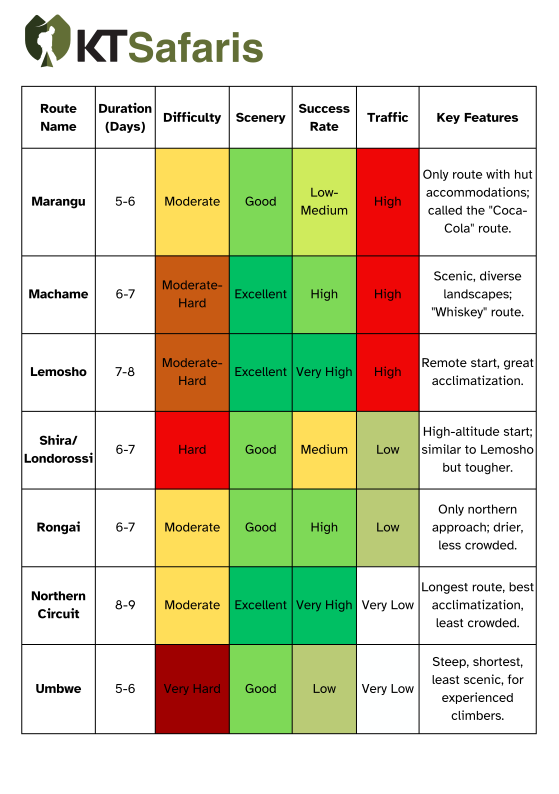
Also known as the “Coca-Cola” route, Marangu is the oldest and most established route on Kilimanjaro. It is favored for its hut accommodations at each overnight stop, providing a bit more comfort for climbers. The route’s gradual slope and direct path make it one of the easier options, though its popularity can lead to crowded trails.
Machame Route:
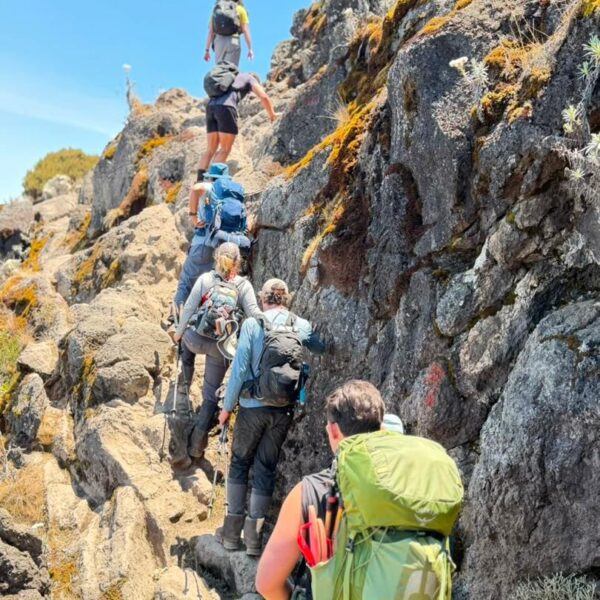
The Machame Route, often called the “Whiskey” route, is known for its scenic beauty and diverse landscapes. This trail is more challenging due to steeper ascents and longer distances, but the varied scenery, including the Shira Plateau and Barranco Wall, makes it a favorite among seasoned climbers. It also offers better opportunities for acclimatization with its “climb high, sleep low” approach.
Lemosho Route:
Starting on the western side of Kilimanjaro, the Lemosho Route is less traveled and offers a more remote trekking experience. This route crosses the Shira Plateau and joins the Machame Route at Barranco Camp. Its longer itinerary allows for excellent acclimatization and stunning panoramic views, making it ideal for those looking for a more gradual ascent.
Rongai Route:
Approaching Kilimanjaro from the north, close to the Kenyan border, the Rongai Route is the only route that starts on the mountain’s northern side. It is known for its dryer conditions and lower traffic. This route offers a unique perspective of the mountain and provides a relatively moderate climb with a good acclimatization profile.
Shira Route:
Similar to the Lemosho Route, the Shira Route starts on the western side of Kilimanjaro but begins at a higher altitude. This route traverses the Shira Plateau, offering stunning views and a challenging climb. It eventually merges with the Machame Route, providing a mix of remote trekking and popular trail sections.
Umbwe Route:
The Umbwe Route is the shortest and steepest route to Kilimanjaro’s summit. It is often considered the most challenging due to its rapid ascent and steep climbs. This route is suitable for experienced climbers who are well-acclimatized and seeking a tough climb with fewer crowds.
Kilimanjaro trek prices:
 Route Comparison:
 The Best Time to Climb Mount Kilimanjaro
The ideal time to climb Mount Kilimanjaro is during the dry seasons, when the weather remains stable and the skies stay clear. These periods provide the best conditions for a successful trek.
January to March
One of the best times to climb Kilimanjaro is between January and March. The skies are generally clear, and the trails are less crowded. Temperatures remain moderate, and the landscape is lush and green, benefiting from the short rainy season. For those who prefer a quieter climb with fewer trekkers, this period offers an excellent opportunity.
June to October
Another prime climbing season runs from June to October. As the peak trekking season, it coincides with the long dry season, bringing stable weather and breathtaking summit views. However, expect busier trails and campsites, as many climbers take advantage of these favorable conditions. Although temperatures drop significantly at higher altitudes, the overall environment supports a successful climb.
To enhance your experience, avoiding the long rainy season from March to May and the short rainy season from November to December is advisable. During these months, the trails become muddy and slippery, while clouds often obscure the mountain’s stunning views.
Activities on Kilimanjaro
Mountain Climbing to Uhuru Peak
This is the most popular activity. Climbers ascend to the summit of Mount Kilimanjaro at 5,895 meters (19,341 feet) using one of several official routes: Marangu, Machame, Lemosho, Rongai, or Umbwe. Each route offers different scenery, difficulty levels, and durations.
Crater Camping
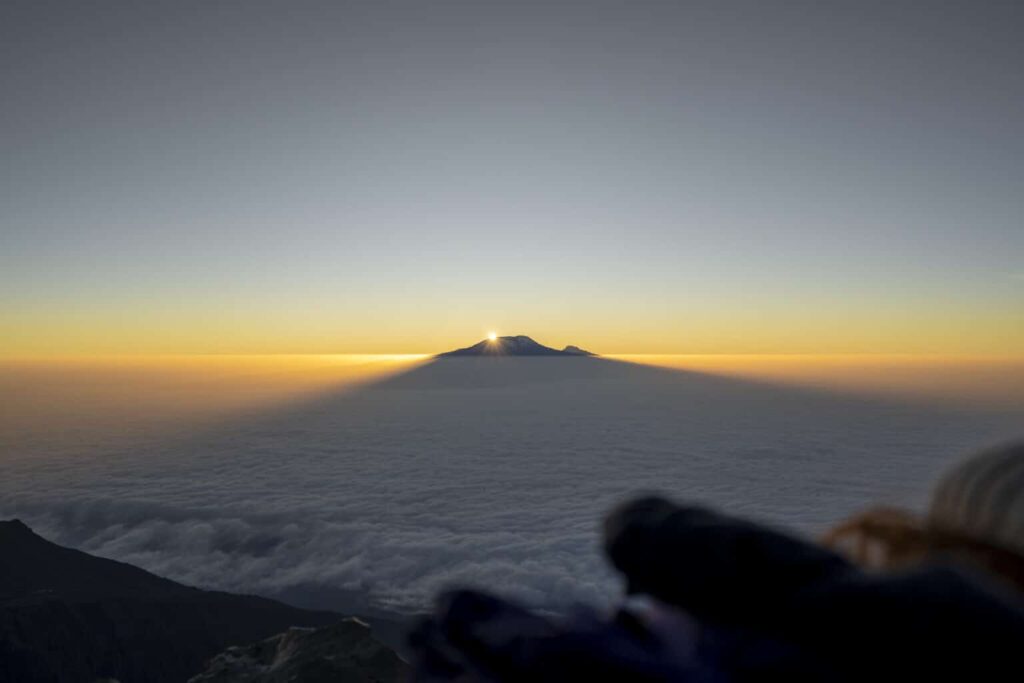
Experienced trekkers can camp near the Kibo Crater at high altitude. This rare overnight experience allows climbers to witness sunrise from the summit rim and explore the inner crater.
Mawenzi Peak Technical Climbing
Mawenzi, the second-highest peak on Kilimanjaro, offers technical climbing for skilled mountaineers. This activity requires special permits and climbing equipment.
Mountain Cycling
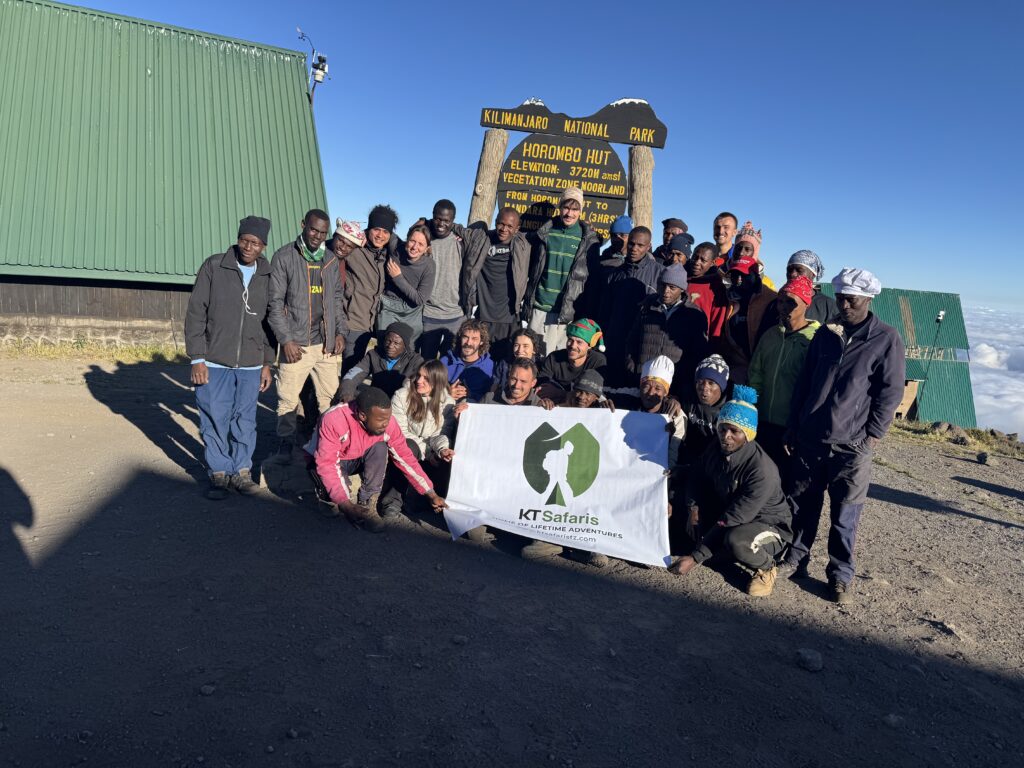
Cycling is permitted on the Kilema Route, which reaches up to Horombo Hut. It provides a unique way to explore the lower slopes of the mountain by bike.
Paragliding
Licensed pilots can apply for permission to paraglide from Kilimanjaro’s high-altitude zones. This activity is rare and highly regulated.
Nature Walks
Guided walks in the lower forest zones allow visitors to explore waterfalls, observe wildlife, and learn about the mountain’s ecosystems. These walks are ideal for those not attempting the summit.
Bird Watching
Kilimanjaro National Park is home to over 150 bird species. Bird watchers can spot turacos, hornbills, sunbirds, and other species, especially in the rainforest and moorland zones.
Wildlife Viewing
While not a traditional safari destination, the park hosts animals such as colobus monkeys, blue monkeys, bushbucks, duikers, and occasionally serval cats, especially in the forested areas.
Photography and Filming
With a permit from TANAPA, visitors can photograph and film the mountain’s dramatic landscapes, glaciers, wildlife, and changing vegetation zones.
Environmental Education and Interpretation
Park guides provide educational insights into Kilimanjaro’s geology, climate zones, conservation efforts, and cultural significance. This enhances the trekking experience with knowledge and context.
These activities are managed by Tanzania National Parks Authority (TANAPA) and may require advance booking, certified guides, or special permits.
Conservation and Sustainability
Kilimanjaro National Park plays a crucial role in conservation, protecting the mountain’s ecosystems and endangered species. Sustainable tourism remains a priority, ensuring the preservation of Kilimanjaro’s natural beauty for generations to come. Climbers are encouraged to follow Leave No Trace principles, maintaining clean trails and minimizing environmental impact. Local communities actively participate in conservation and tourism initiatives, strengthening their connection to this iconic mountain.
Conclusion
Mount Kilimanjaro is more than just a towering peak it’s a transformative journey that challenges your limits and rewards your soul. From the vibrant forests teeming with wildlife to the icy summit towering above the clouds, every step leads to unforgettable moments. Whether you seek the thrill of conquering Uhuru Peak, marvel at the breathtaking glaciers, or simply immerse yourself in the diverse landscapes, Kilimanjaro offers an adventure that stays with you forever. For every explorer, this mountain stands as a testament to the irresistible call of the great outdoors.
Learn More from The official park website