Tarangire National Park
Tarangire National Park: Tanzania’s Elephant Sanctuary in the North
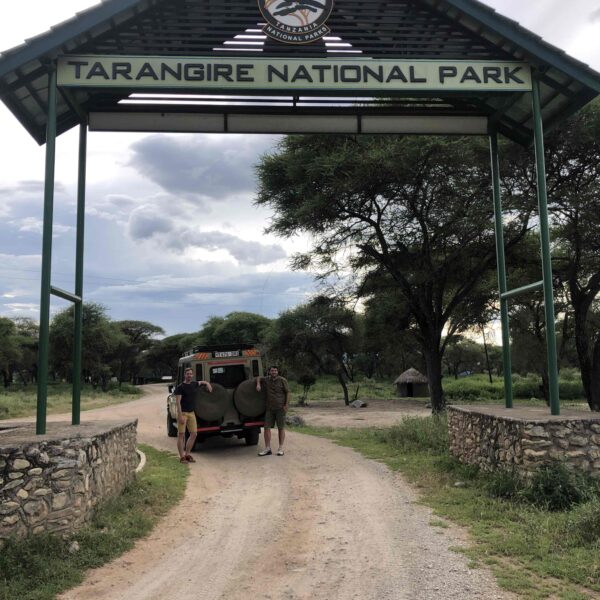
Tarangire National Park, in northern Tanzania’s Manyara Region, is a hidden gem among safari destinations. Covering 2,850 square kilometers, it is renowned for massive elephant herds, ancient baobab trees, and seasonal wildlife migrations. Moreover, unlike its crowded neighbors, Tarangire offers a serene and intimate safari that truly reflects the essence of wild Tanzania.
History
Established in 1970, Tarangire was created to protect the Tarangire River basin and surrounding savannahs. The river flows year-round; therefore, it draws thousands of animals during the dry season and anchors one of Tanzania’s most vital ecosystems. In addition, the park forms part of the larger Tarangire-Manyara ecosystem, which supports migratory patterns and biodiversity across the north.
Key Features and Attractions
Tarangire River
The river is a magnet for wildlife, especially in the dry season (June–October). Consequently, visitors often witness elephants bathing, lions stalking prey, and herds gathering along its banks.
Elephant Herds
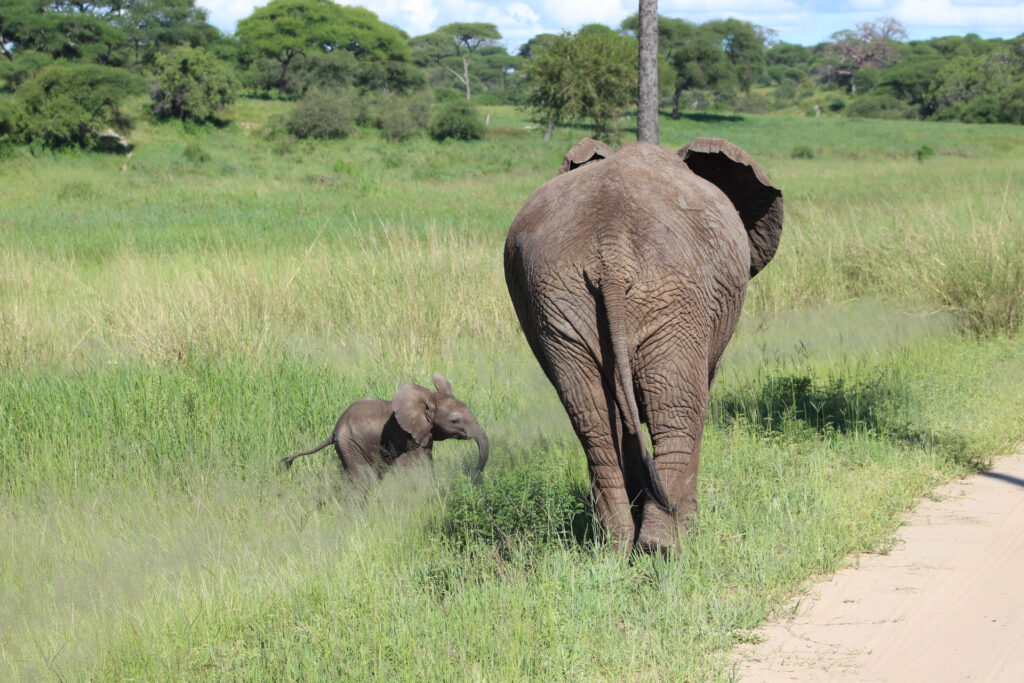
Tarangire hosts one of East Africa’s largest elephant populations. As a result, herds of up to 300 individuals roam the plains, offering unforgettable encounters.
Baobab Trees
Iconic and ancient, Tarangire’s baobabs dominate the landscape. Some are over 1,000 years old; thus, they provide shelter and food while adding dramatic beauty to the savannah.
Seasonal Migration
Each year, more than 25,000 wildebeests and 30,000 zebras migrate into the park. Consequently, this spectacular movement rivals the Serengeti and creates excellent game-viewing opportunities.
Predators and Rare Species
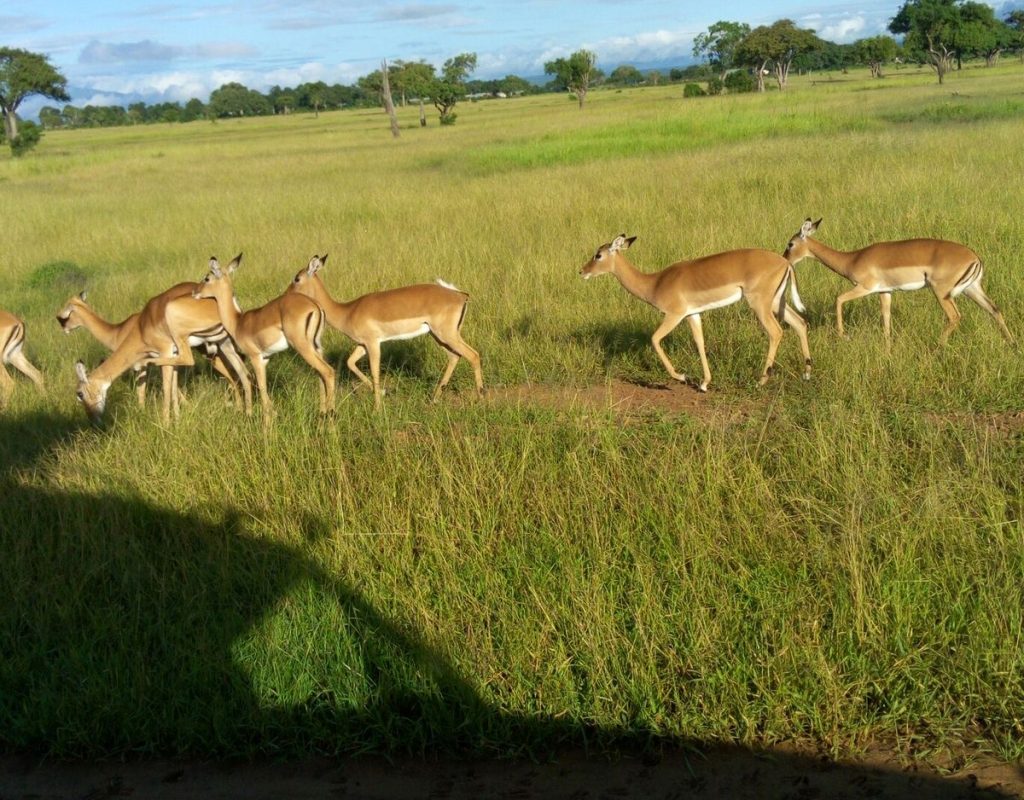
Lions, leopards, and cheetahs thrive here. Furthermore, rare species such as the fringed-eared oryx, greater kudu, and gerenuk appear, adapted to Tarangire’s arid environment.
Birdlife
With over 550 species, Tarangire is a paradise for bird watchers. For example, highlights include the yellow-collared lovebird, ashy starling, rufous-tailed weaver, and kori bustard.
Activities
- Game Drives: Explore diverse habitats around Silale Swamp and the Tarangire River.
- Walking Safaris: Guided walks reveal flora, insects, and animal tracks.
- Bird Watching: Best near wetlands and riverine forests.
- Cultural Visits: Meet Maasai and Barabaig communities to learn about pastoral traditions.
Best Time to Visit
- June–October (Dry Season): Wildlife gathers near the river, making viewing exceptional.
- November–May (Green Season): Scenery becomes lush; therefore, birding is excellent though wildlife disperses.
- April: Heavy rains may block roads and limit access.
Conservation and Sustainability
The park is a critical wildlife corridor and plays a vital role in elephant conservation. For instance, projects like the Tarangire Elephant Project monitor movements and fight poaching. Furthermore, sustainable tourism and community-based conservation ensure local communities benefit through jobs, education, and revenue-sharing programs.
Conclusion
Tarangire National Park offers a rich safari experience, especially for elephant lovers and adventurers seeking quieter paths. From migrating herds to baobabs silhouetted against the sky, Tarangire rewards travelers with unforgettable moments. Ultimately, its biodiversity, cultural depth, and conservation legacy make it a must-visit destination in northern Tanzania.
Official Link: Tanzania National Parks Authority – Tarangire National Park