
Zanzibar: The Spice Islands of the Indian Ocean
Zanzibar Island, an enchanting archipelago off the coast of Tanzania, is renowned for its pristine beaches, rich history, and vibrant culture. Often called the “Spice Islands,” it combines tropical beauty with centuries of cultural exchange, making it one of East Africa’s most captivating destinations. Covering Unguja (commonly referred to as Zanzibar Island) and Pemba, along with smaller islets, the region offers travelers a blend of relaxation, adventure, and heritage. Moreover, turquoise waters, coral reefs, and historic towns make it a premier destination for both leisure and exploration.
History of Zanzibar
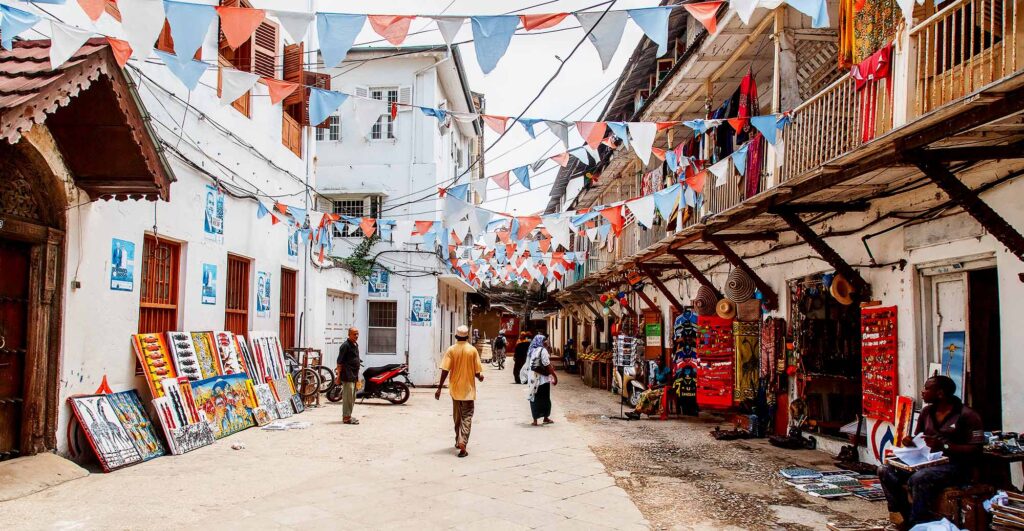
The islands’ history is deeply tied to trade, particularly spices, ivory, and slaves. For centuries, Arab, Persian, Indian, and European traders passed through its ports, leaving behind a rich cultural mosaic. Meanwhile, Stone Town, the historic heart of Zanzibar City, reflects this heritage with winding alleys, carved wooden doors, and bustling markets. In 2000, Stone Town was declared a UNESCO World Heritage Site, recognizing its cultural and historical importance.
Key Features and Attractions
Zanzibar is famous for its white sandy beaches such as Nungwi, Kendwa, and Paje, where visitors can swim, snorkel, and dive in crystal-clear waters. In addition, the Jozani Forest Reserve, home to the rare red colobus monkey, showcases the islands’ biodiversity. Spice plantations offer immersive tours where travelers learn about cloves, nutmeg, cinnamon, and other crops that gave Zanzibar its nickname. Finally, Stone Town remains a highlight, with landmarks like the House of Wonders, the Old Fort, and the Forodhani Night Market.
Activities in Zanzibar
Exploring Stone Town
Stone Town is the historic heart of Zanzibar City and a UNESCO World Heritage Site. Visitors wander through narrow alleys, admire carved wooden doors, and explore spice markets. Moreover, landmarks such as the House of Wonders and the Old Fort reveal the island’s history in trade and culture.
Spice Plantation Tours
Zanzibar is called the “Spice Islands” for good reason. A visit to a spice farm allows guests to see, smell, and taste cloves, nutmeg, cinnamon, and vanilla. In addition, guides explain cultivation methods, and many tours include cooking demonstrations or tastings.
Beach Relaxation
The island’s beaches are world-famous. Nungwi and Kendwa in the north are lively with resorts and nightlife, while Paje and Matemwe provide quieter escapes. Therefore, turquoise waters and white sands make them ideal for swimming, sunbathing, or unwinding.
Snorkeling and Diving
Coral reefs around Zanzibar are rich with marine life. At Mnemba Atoll or Chumbe Island, divers and snorkelers encounter colorful fish, dolphins, turtles, and vibrant coral gardens. As a result, these sites are considered among the best in East Africa.
Dolphin Watching
Boat trips from Kizimkazi village offer chances to see pods of dolphins in their natural environment. However, responsible operators emphasize respectful interaction, and some tours allow swimming alongside them.
Dhow Sailing Trips
Traditional wooden dhows are used for sunset cruises and day trips. Sailing along the coast provides stunning ocean views, often paired with seafood dinners or sandbank picnics. Furthermore, these trips highlight Zanzibar’s maritime traditions.
Jozani Forest Reserve
This protected forest is home to the rare red colobus monkey, found only in Zanzibar. In addition, visitors explore mangrove boardwalks and spot butterflies, birds, and other wildlife.
Prison Island (Changuu Island)
A short boat ride from Stone Town leads to Prison Island. It is famous for giant Aldabra tortoises, some over 100 years old, and ruins from its history as a prison and quarantine station.
Sandbank Picnics
Boat trips take travelers to small, isolated sandbanks surrounded by turquoise waters. Here, guests swim, snorkel, and enjoy private picnics in a unique setting. Consequently, these excursions are perfect for couples and families alike.
Kite Surfing and Water Sports
Paje Beach is a global hotspot for kite surfing thanks to steady winds and shallow waters. Moreover, other activities include paddleboarding, kayaking, and jet skiing.
Fishing Trips
Deep-sea fishing excursions target species such as tuna, marlin, and barracuda. Consequently, these trips are popular with adventure seekers and sport fishermen.
Local Market Visits
Darajani Market in Stone Town is the largest, offering spices, fresh produce, and crafts. Meanwhile, smaller village markets provide authentic glimpses into daily life.
Historical Tours
Museums and memorials, including the Slave Market Memorial and the Palace Museum, explain Zanzibar’s complex past and cultural heritage. Furthermore, guided tours ensure visitors understand the island’s layered history.
Bird Watching
Zanzibar’s diverse habitats, from forests to wetlands, make it a paradise for bird enthusiasts. In addition, species include kingfishers, sunbirds, and the African fish eagle.
Island Hopping
Nearby islands such as Mnemba, Chumbe, and Pemba offer eco-lodges, diving, and secluded beaches. Each has its own character, ranging from luxury retreats to conservation-focused reserves.
Best Time to Visit
The best time to visit Zanzibar is during the dry seasons from June to October and December to February. Weather is warm and sunny, ideal for beach holidays and outdoor activities. Meanwhile, the rainy seasons, particularly March to May, bring heavy showers but also lush landscapes.
Conservation and Sustainability
Zanzibar places strong emphasis on preserving its marine ecosystems and cultural heritage. Coral reef protection, sustainable fishing practices, and eco-tourism initiatives are central to conservation efforts. Moreover, community-based tourism ensures that local people benefit from visitors, while cultural preservation programs safeguard traditions and historical sites.
Conclusion
Zanzibar offers a unique blend of tropical paradise and cultural depth. Whether strolling through spice-scented alleys, relaxing on idyllic beaches, or exploring lush forests, the islands promise unforgettable experiences. As a result, its history, biodiversity, and warm hospitality make Zanzibar a must-visit destination for travelers seeking both adventure and relaxation.




FAQ
Most frequent questions and answers
Zanzibar is an archipelago off the coast of Tanzania in the Indian Ocean. It consists of two main islands, Unguja (commonly called Zanzibar Island) and Pemba, along with several smaller islets.
Most visitors require a Tanzanian visa to enter Zanzibar. This can be obtained online (e‑visa) or upon arrival at the airport. Always check the latest requirements before traveling.
The best time to visit is during the dry seasons: June to October and December to February. These months offer sunny weather, calm seas, and ideal conditions for beach holidays and outdoor activities.
Zanzibar offers a wide range of activities including exploring Stone Town, visiting spice plantations, relaxing on beaches, snorkeling and diving, dolphin watching, dhow sailing, kite surfing, bird watching, and island hopping to Mnemba, Chumbe, and Pemba.
Yes, Zanzibar is generally safe for visitors. As with any destination, it is advisable to take normal precautions, such as safeguarding valuables and respecting local customs.
The Tanzanian Shilling (TZS) is the local currency. US dollars are widely accepted in hotels and tourist areas, but it is useful to carry shillings for local markets and small purchases.
Zanzibar is best known for its spice plantations, historic Stone Town, pristine beaches, and rich cultural heritage shaped by African, Arab, Indian, and European influences.
Absolutely. Many travelers combine a beach holiday in Zanzibar with a safari in Serengeti, Ngorongoro, or Kilimanjaro, creating a perfect balance of adventure and relaxation.
Swahili is the main language, but English is widely spoken in tourist areas. Many guides and hotel staff also speak additional languages.