Ngorongoro Conservation Area
A mix of nature, culture, and history.
Ngorongoro Conservation Area is one of Tanzania’s most extraordinary destinations. It combines stunning landscapes, rich wildlife, vibrant culture, and remarkable history. Located in northern Tanzania, the area covers more than 8,292 square kilometers. Moreover, this UNESCO World Heritage Site reflects a rare balance between people and nature.
History of Ngorongoro Conservation Area
The Ngorongoro Conservation Area was established in 1959. Its purpose was to protect wildlife while supporting local pastoralist communities. Unlike many national parks, Ngorongoro was designed as a multiple land-use area. Therefore, conservation and human activities continue to coexist peacefully.
The name “Ngorongoro” is believed to come from the sound of Maasai cowbells. For generations, the Maasai people have lived in harmony with the land. In 1979, UNESCO granted the area World Heritage status because of its cultural, ecological, and archaeological importance.
Key Features and Attractions
Ngorongoro Crater
At the center of the conservation area lies the famous Ngorongoro Crater. It is recognized as the world’s largest inactive and intact volcanic caldera. The crater measures around 19 kilometers in diameter and reaches depths of approximately 600 meters.
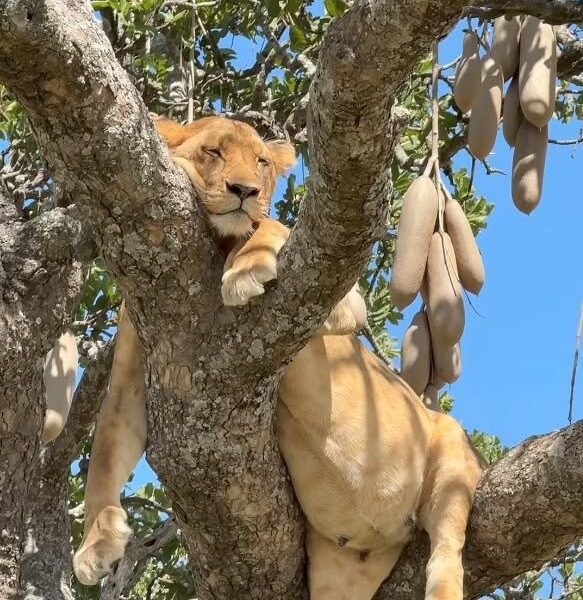
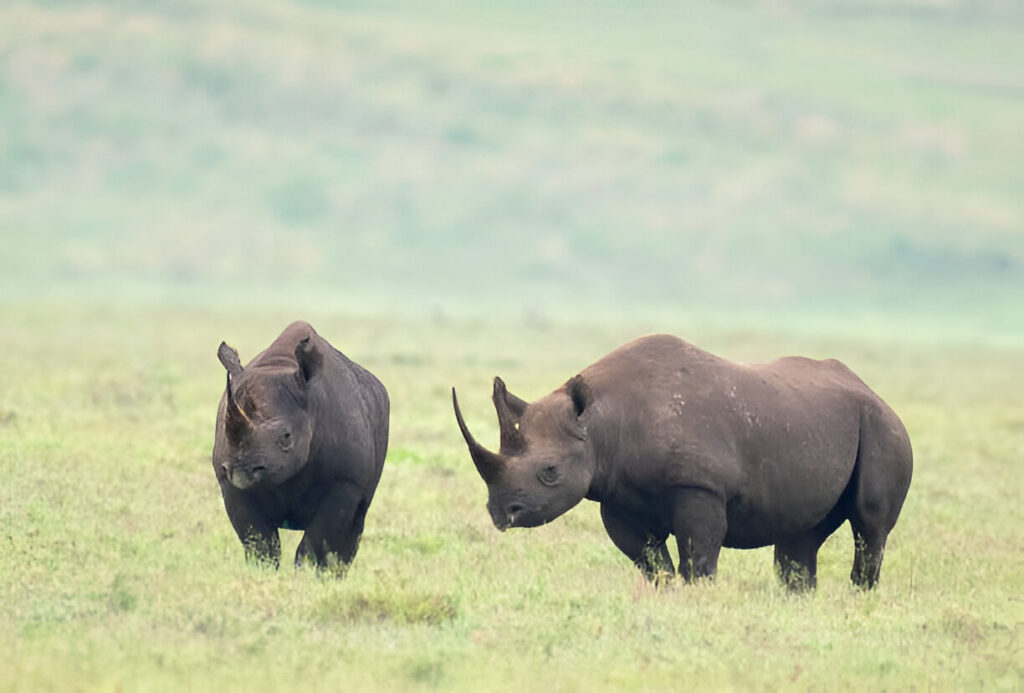
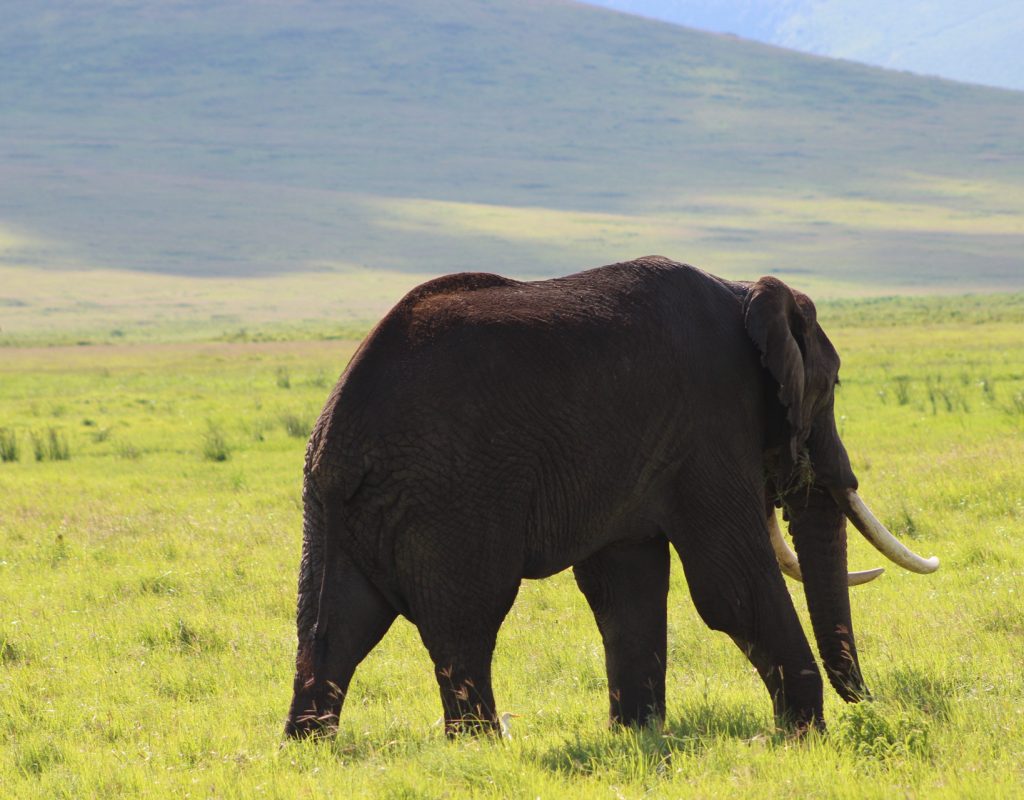
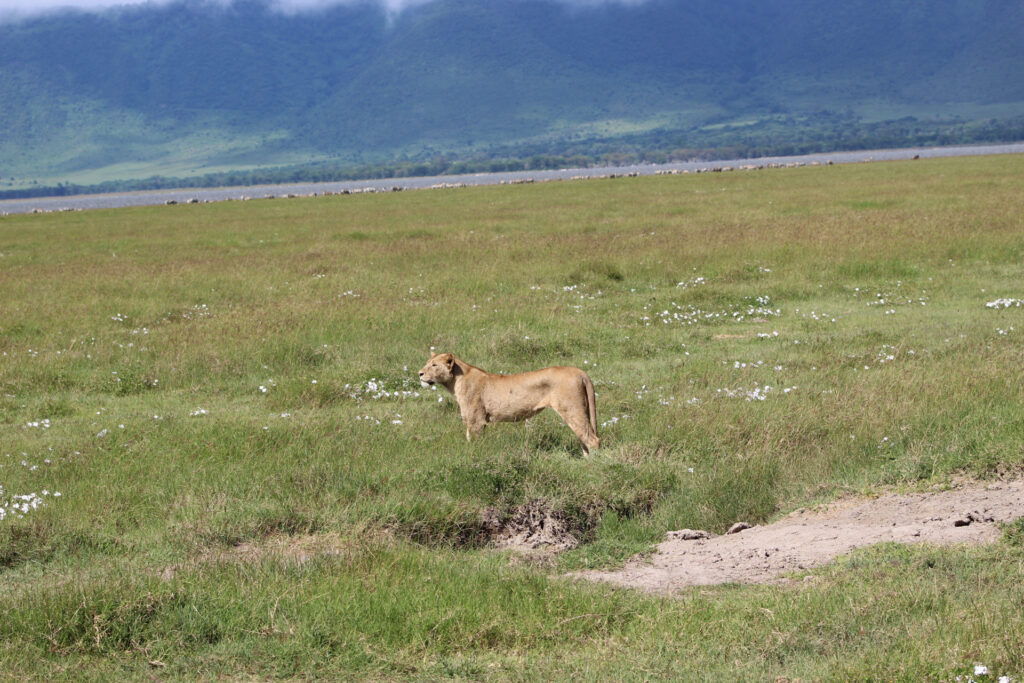
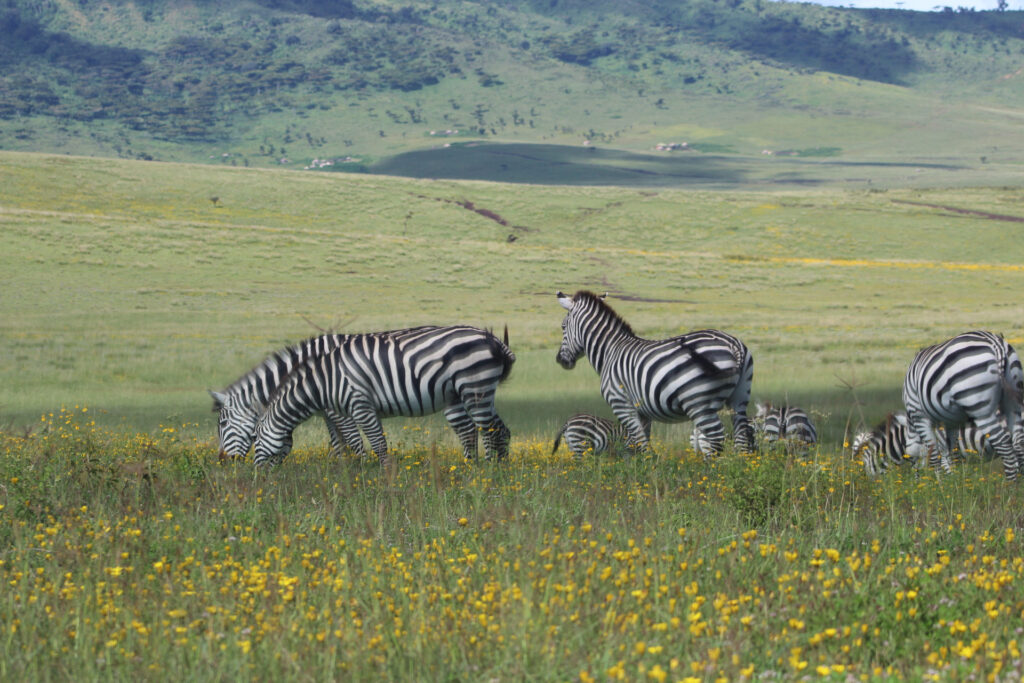
Furthermore, the crater floor supports one of Africa’s highest concentrations of wildlife. Visitors often spot the Big Five, including lions, elephants, buffaloes, leopards, and black rhinos. In addition, zebras, wildebeests, and gazelles roam across the plains. Hippos and hundreds of bird species can also be seen around the wetlands.
Olduvai Gorge
Olduvai Gorge is often called the “Cradle of Mankind.” It is one of the world’s most important paleoanthropological sites. Ancient fossils and stone tools were discovered here. As a result, scientists gained valuable knowledge about early human evolution.
Today, the site attracts archaeologists, researchers, and history lovers from around the world.
Shifting Dunes
The Shifting Dunes are another fascinating attraction. These dunes were formed from volcanic ash and slowly move across the plains each year. Strong winds continue to shape and move them over time.
Consequently, the dunes have become one of Tanzania’s most unique geological wonders.
Maasai Culture
The Maasai community plays an important role in the identity of Ngorongoro. Visitors can tour traditional Maasai bomas and interact with local families. Additionally, guests can learn about traditional customs, dances, and storytelling.
As a result, cultural visits provide a deeper understanding of Maasai heritage and their connection to nature.
Diverse Landscapes
Ngorongoro is also famous for its diverse scenery. The area includes lush forests, rolling highlands, open savannahs, volcanic mountains, and soda lakes.
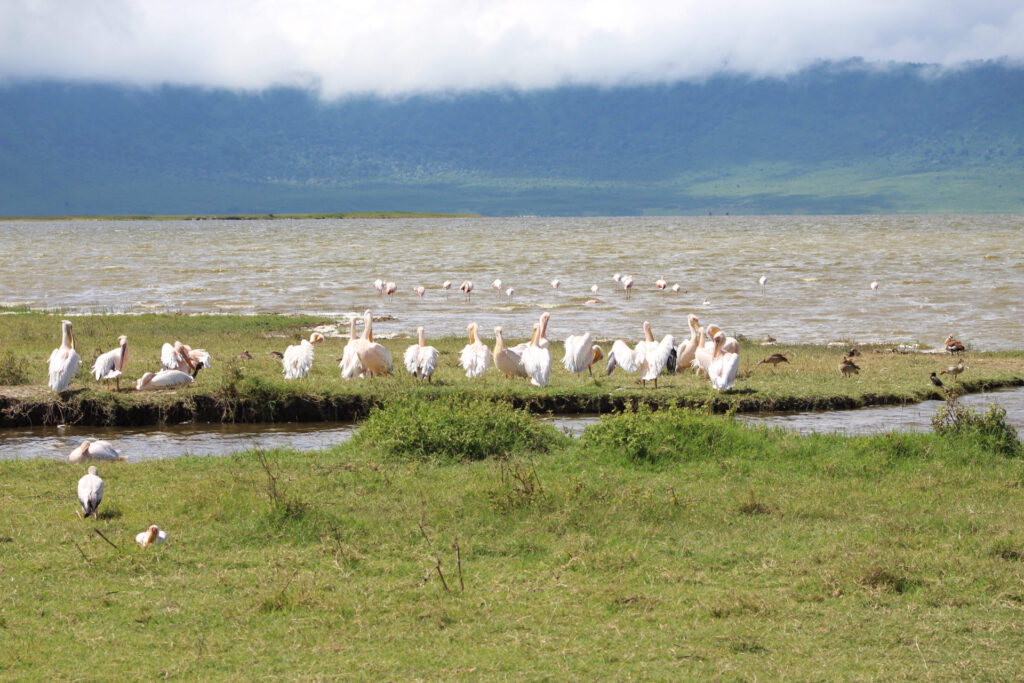
Meanwhile, flamingos gather along lake shores, while mist often covers the crater rim during the early morning hours. Therefore, every journey through Ngorongoro offers breathtaking views.
Activities in Ngorongoro Conservation Area
Game Drives
Game drives are among the most popular activities in Ngorongoro. During these tours, visitors explore the crater floor and surrounding plains. Consequently, close wildlife encounters are often experienced.
Walking Safaris
Walking safaris provide a more personal experience with nature. Experienced guides lead visitors through different habitats. Along the way, animal tracks, plants, and smaller species are carefully explained.
Cultural Visits
Cultural tours introduce travelers to Maasai traditions and daily life. In addition, visitors can enjoy traditional dances and storytelling sessions. These experiences create stronger cultural appreciation and understanding.
Archaeological Tours
Tours to Olduvai Gorge allow visitors to explore humanity’s distant past. Moreover, the site provides important insights into the origins of early humans.
Bird Watching
Ngorongoro is also a paradise for bird enthusiasts. Hundreds of species have been recorded in the area. Flamingos, crowned cranes, ostriches, and secretary birds are commonly seen.
Best Time to Visit
June to October
The dry season is considered the best time for wildlife viewing. During this period, animals gather near water sources. Therefore, wildlife sightings become easier and more rewarding.
November to March
The short rainy season transforms the landscape into a lush green paradise. In addition, birdlife becomes more active and colorful. This period is also ideal for witnessing the calving season among herbivores.
April to May
The long rains bring dramatic scenery and fewer tourists. Although some roads may become difficult to access, photographers often enjoy the peaceful atmosphere and vibrant landscapes.
Conservation and Sustainability
Ngorongoro Conservation Area is widely recognized for its conservation efforts. Various programs have been introduced to protect wildlife and natural habitats. At the same time, local communities continue to benefit from tourism and educational initiatives.
Furthermore, anti-poaching efforts and sustainable tourism practices help preserve biodiversity for future generations. Because of these efforts, Ngorongoro remains a leading example of responsible tourism in Africa.
Conclusion
Ngorongoro Conservation Area is far more than a safari destination. It is a place where wildlife, history, and culture exist in perfect harmony.
Whether you are exploring the crater, visiting ancient archaeological sites, or engaging with the Maasai community, every experience feels unforgettable. Ultimately, Ngorongoro offers a remarkable journey into the heart of Tanzania.
Official Links
FAQ
Most frequent questions and answers
Ngorongoro Conservation Area is famous for the Ngorongoro Crater, which is the world’s largest intact volcanic caldera. Additionally, the area is known for its incredible wildlife, Maasai culture, and archaeological sites like Olduvai Gorge.
Yes, the Big Five can be seen in Ngorongoro Conservation Area. Lions, elephants, buffaloes, leopards, and black rhinos are commonly spotted, especially inside the crater.
The best time to visit is during the dry season from June to October because wildlife viewing becomes easier. However, the green season from November to March offers beautiful scenery and excellent bird watching opportunities.
The Ngorongoro Crater is approximately 600 meters deep and about 19 kilometers wide. It was formed after a massive volcanic eruption and collapse millions of years ago.
Yes, the Maasai people are allowed to live and graze livestock within the conservation area. Unlike many national parks, Ngorongoro was created to support both conservation and local communities.
Yes, Ngorongoro Conservation Area was designated as a UNESCO World Heritage Site in 1979 because of its ecological, cultural, and historical significance.
It’s recommended to stay at least 3 days and 2 nights to fully experience the park’s wildlife and landscapes
There is network coverage in some areas, but it can be limited in remote parts of the park. Some lodges offer Wi-Fi and internet access.