
- Home
- Lake Manyara National Park
Lake Manyara National Park
Lake Manyara National Park is a picturesque haven located in northern Tanzania, renowned for its stunning landscapes, diverse wildlife, and vibrant birdlife. Covering approximately 330 square kilometers, the park is situated at the base of the Great Rift Valley escarpment and is easily accessible from the town of Arusha and nearby Ngorongoro Crater. Despite its relatively small size, Lake Manyara National Park offers a rich and varied experience, making it a must-visit destination for nature enthusiasts and adventurers alike.
The History of Lake Manyara National Park
To begin with, Lake Manyara National Park was established in 1960. This was done primarily so that the region’s unique biodiversity and the vast flocks of flamingos could be protected. Furthermore, the park’s name is derived from the Maasai word “Manyara,” which refers to a type of euphorbia plant that is used by the Maasai people to create living fences. Over the years, the park has become well-known for its ecological diversity and the vital role that is played by the park in conserving various plant and animal species.
Key Features and Attractions
Lake Manyara
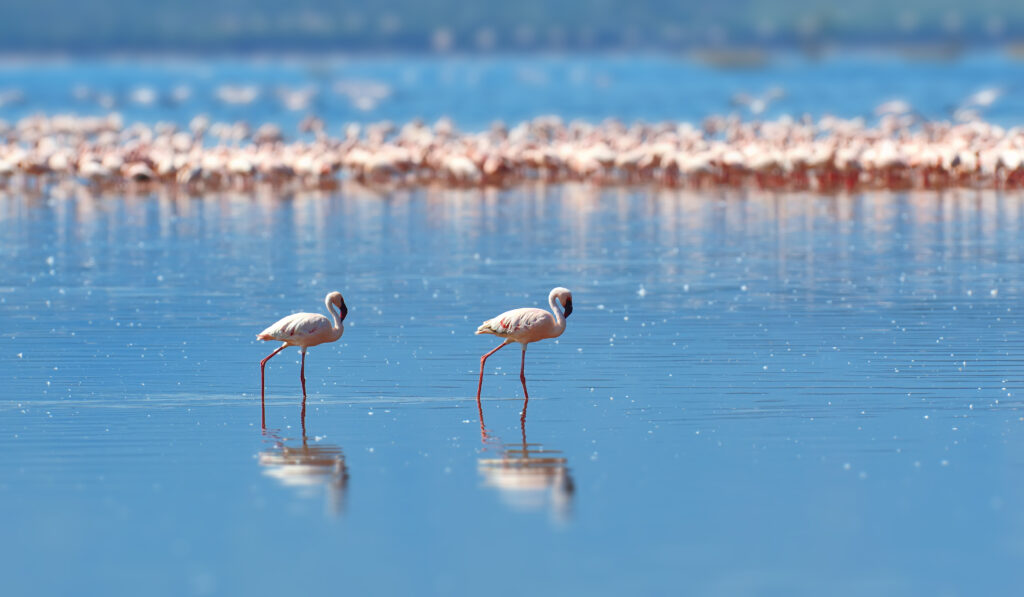
In terms of geography, the park’s centerpiece is the shallow, alkaline Lake Manyara. Large flocks of flamingos and other waterbirds are attracted to the lake, whereby a spectacular display of pink and white is created against the blue water. Additionally, the shores are frequently visited by hippos, which can often be observed lounging in the shallows.
Diverse Ecosystems
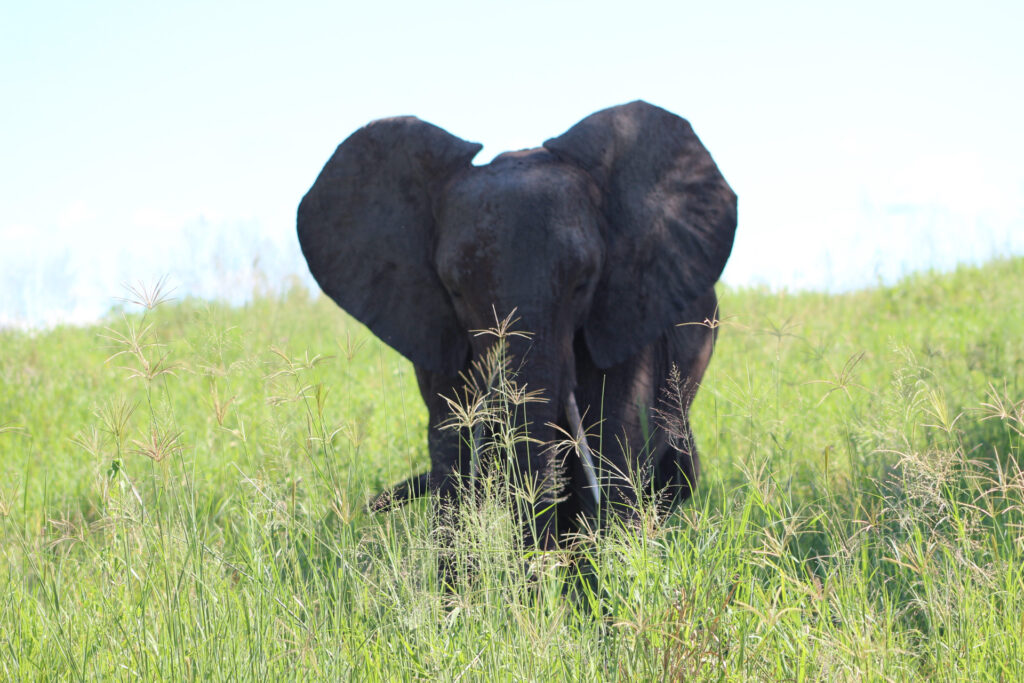
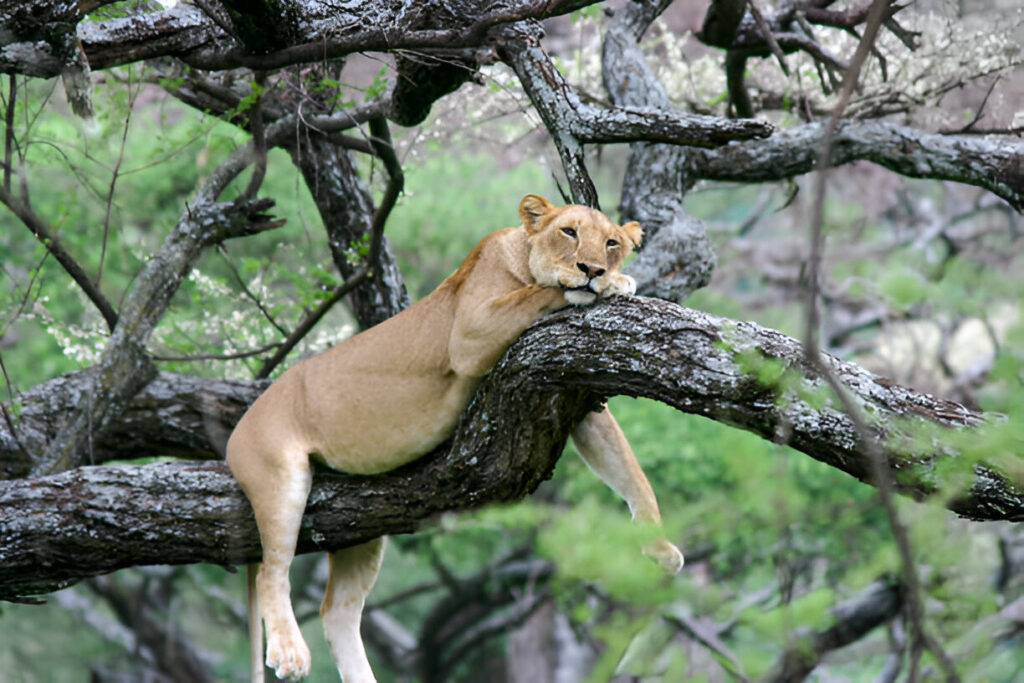
Beyond the water, a remarkable variety of ecosystems is boasted by the park, ranging from dense groundwater forests to open savannahs. Because of this diversity, a wide range of wildlife is supported. Visitors are often treated to sightings of elephants, buffaloes, and the park’s famous tree-climbing lions.
Tree-Climbing Lions
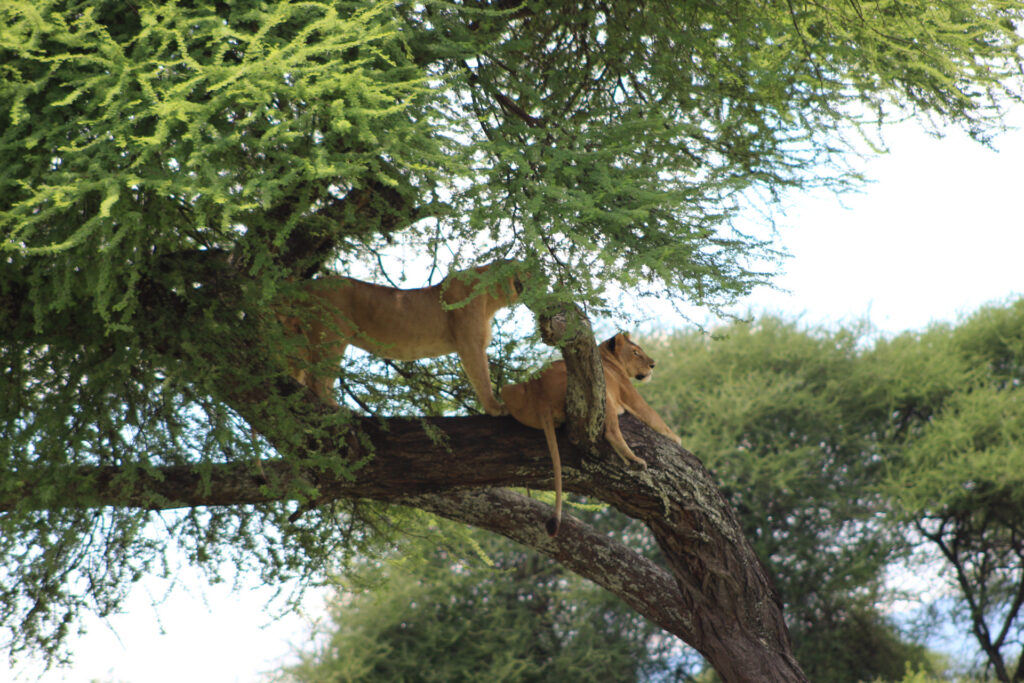
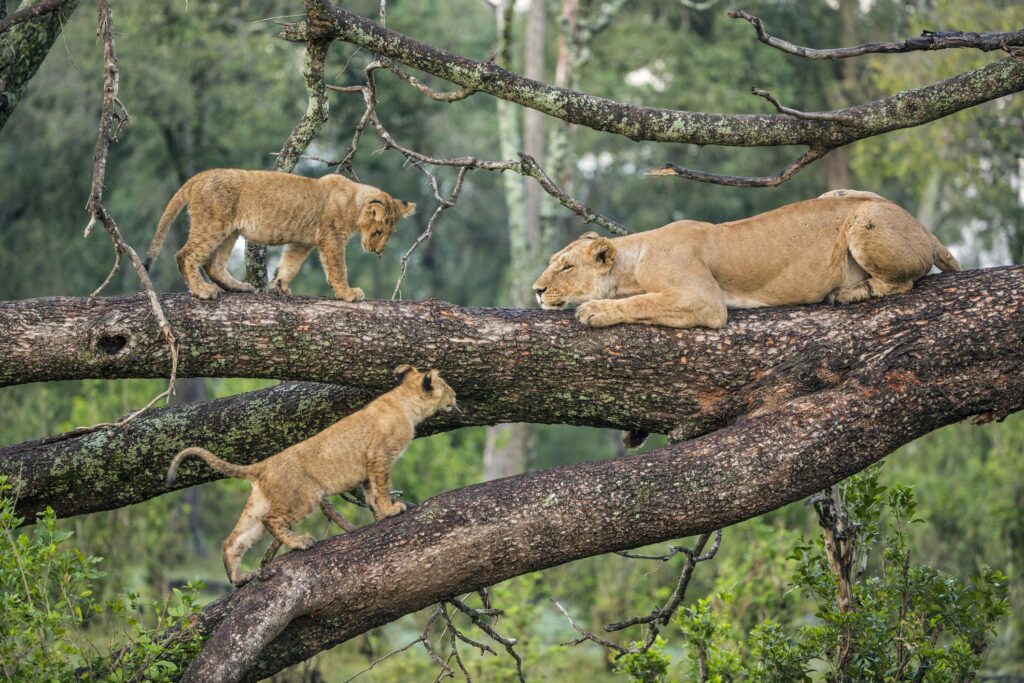
Most notably, the park is home to a unique population of tree-climbing lions. While most lions are found on the ground, an unusual habit of resting in branches has been developed by the lions of Manyara. It is believed that this behavior is adopted to avoid insects and enjoy cooler breezes.
Bird Watching & Hot Springs
In addition to land mammals, the park is considered a paradise for bird watchers, as over 400 species have been recorded. Moreover, the Maji Moto hot springs are located in the southern region. These geothermal springs are formed by water bubbling up from the ground, providing a unique contrast to the surrounding landscapes.
Activities
To enhance the visitor experience, several activities are offered:
Game Drives: The diverse landscapes are explored through guided excursions, allowing for close encounters with wildlife.
Canoeing: During the wet season, the lake can be navigated by canoe, providing a tranquil perspective of the park.
Walking Safaris: The flora and fauna are discovered at a leisurely pace during guided walks, ensuring an intimate connection with nature is felt.
Best Time to Visit
When planning a trip, the timing should be considered based on personal interests:
June to October: This dry season is regarded as the best time for wildlife viewing, as animals are concentrated around water sources.
November to May: During this lush period, the park is transformed by rains. Consequently, this is viewed as the peak time for bird watching due to the presence of migratory species.
Conservation and Sustainability
Crucially, a vital role in conservation efforts is played by the park. Diverse ecosystems are protected through sustainable tourism practices, while environmental impacts are minimized by careful management. Furthermore, stewardship is fostered among local populations through community education programs.
Conclusion
In summary, a captivating blend of natural beauty and wildlife is offered by Lake Manyara National Park. Whether the famous lions are being sought or the hot springs are being explored, an unforgettable experience is guaranteed. Ultimately, it is ensured by the park’s accessibility and variety that every visitor leaves with lasting memories of this jewel of the Great Rift Valley.

FAQ
Most frequent questions and answers
Lake Manyara National Park is located in northern Tanzania, between the town of Arusha and the Ngorongoro Crater.
The best time to visit is during the dry season, from July to October, when wildlife viewing is optimal. The wet season, from November to June, offers lush scenery and is ideal for bird watching.
You can see a variety of wildlife, including tree-climbing lions, elephants, giraffes, zebras, wildebeest, buffalo, baboons, and over 400 species of birds, including flamingos.
Yes, most visitors need a visa to enter Tanzania. You can apply for an e-visa online.
Yes, Tanzania is generally safe for tourists, and Lake Manyara National Park is well-protected and managed.
Activities include game drives, night game drives, walking safaris, canoeing, mountain biking, and cultural tours.
A stay of at least 2-3 days is recommended to fully experience the park’s wildlife and landscapes.
Yes, there are several lodges and campsites within the park that offer various levels of comfort and amenities.
