
- Home
- Serengeti National Park
Serengeti National Park
Serengeti National Park: The Heartbeat of Africa
Serengeti National Park, synonymous with awe-inspiring wildlife and expansive landscapes, is one of Africa’s most iconic destinations. Covering 14,750 square kilometers, it stretches across northern Tanzania and encompasses a rich tapestry of ecosystems. Moreover, its vast plains, dramatic river valleys, and diverse wildlife make it a premier choice for nature enthusiasts and safari-goers worldwide.
History
Established in 1951, Serengeti National Park was created to preserve its unique ecosystem and abundant wildlife. The name comes from the Maasai word Siringet, meaning “endless plains,” which perfectly captures the vastness of this natural wonder. For centuries, the Maasai coexisted with the wildlife before the area became protected. Over time, the park gained international recognition and, in 1981, was designated a UNESCO World Heritage Site, underscoring its ecological and cultural importance.
Key Features and Attractions
The Great Migration
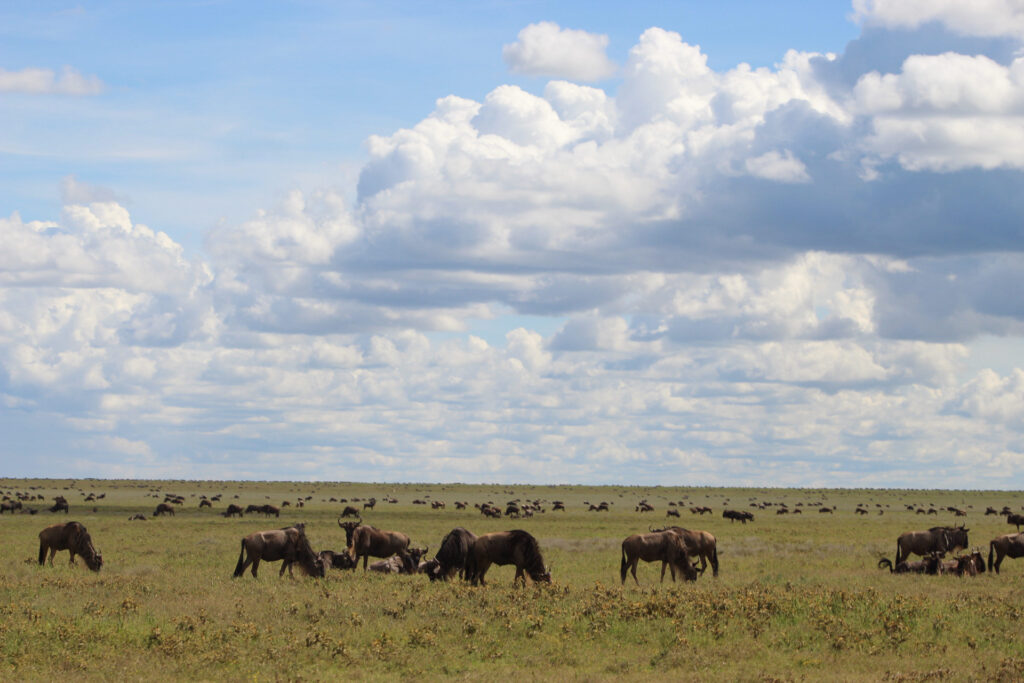
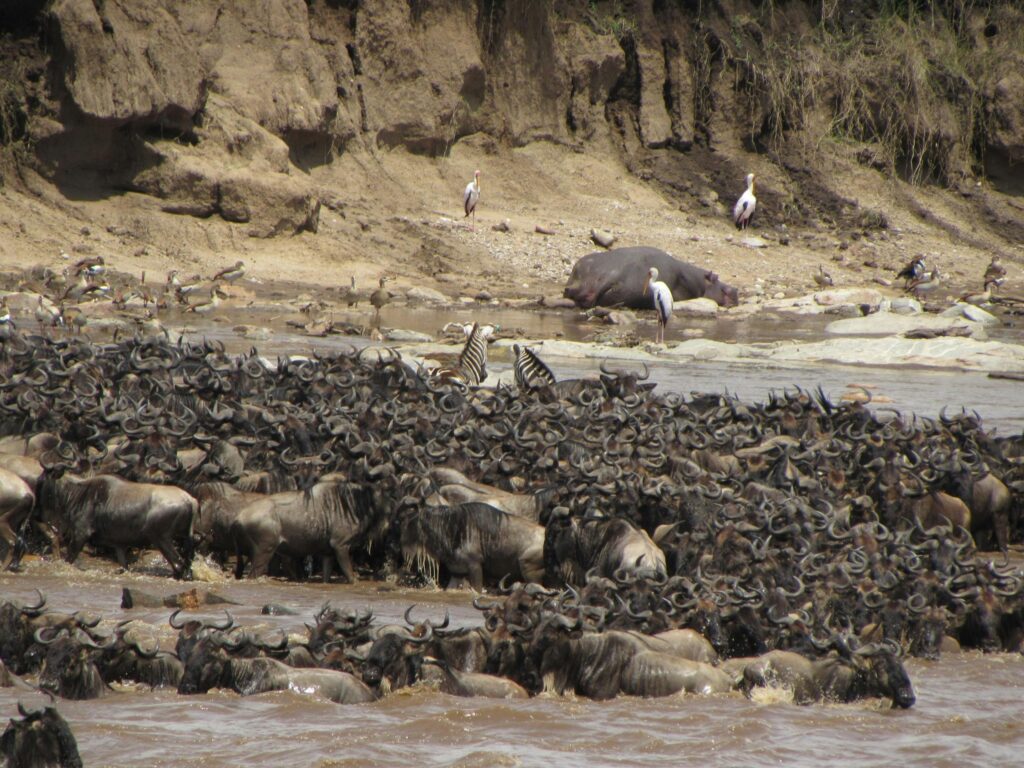
The Great Migration is arguably the most spectacular wildlife event on Earth. Each year, over 1.5 million wildebeests, hundreds of thousands of zebras, and gazelles move in a circular route across the Serengeti and Maasai Mara in search of grazing. Consequently, perilous river crossings create dramatic scenes of survival as crocodiles lie in wait.
Big Five and Beyond
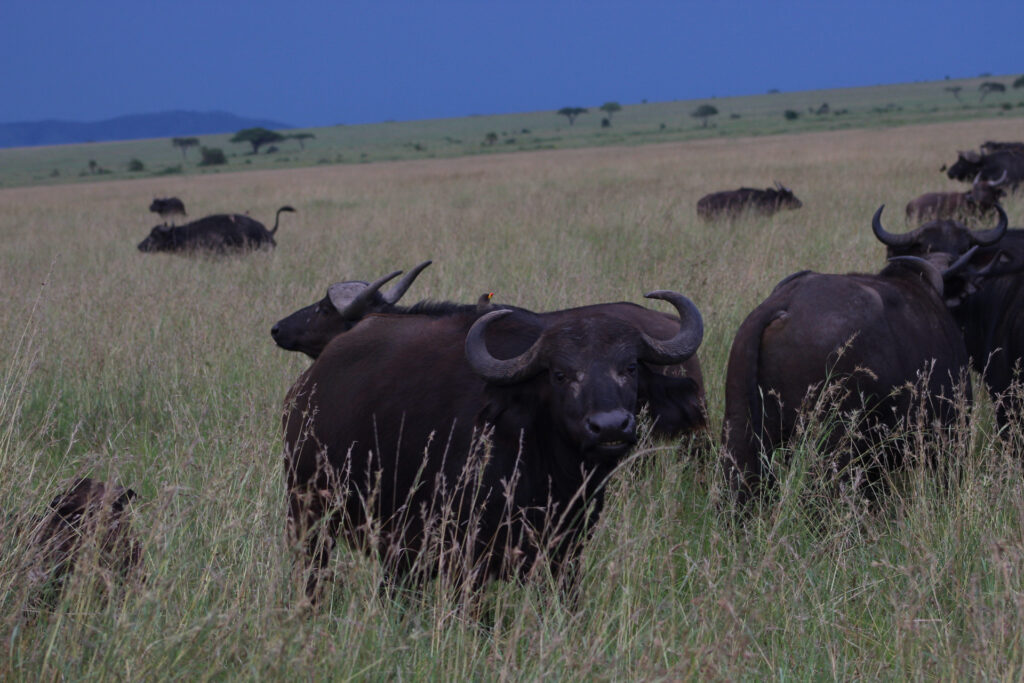
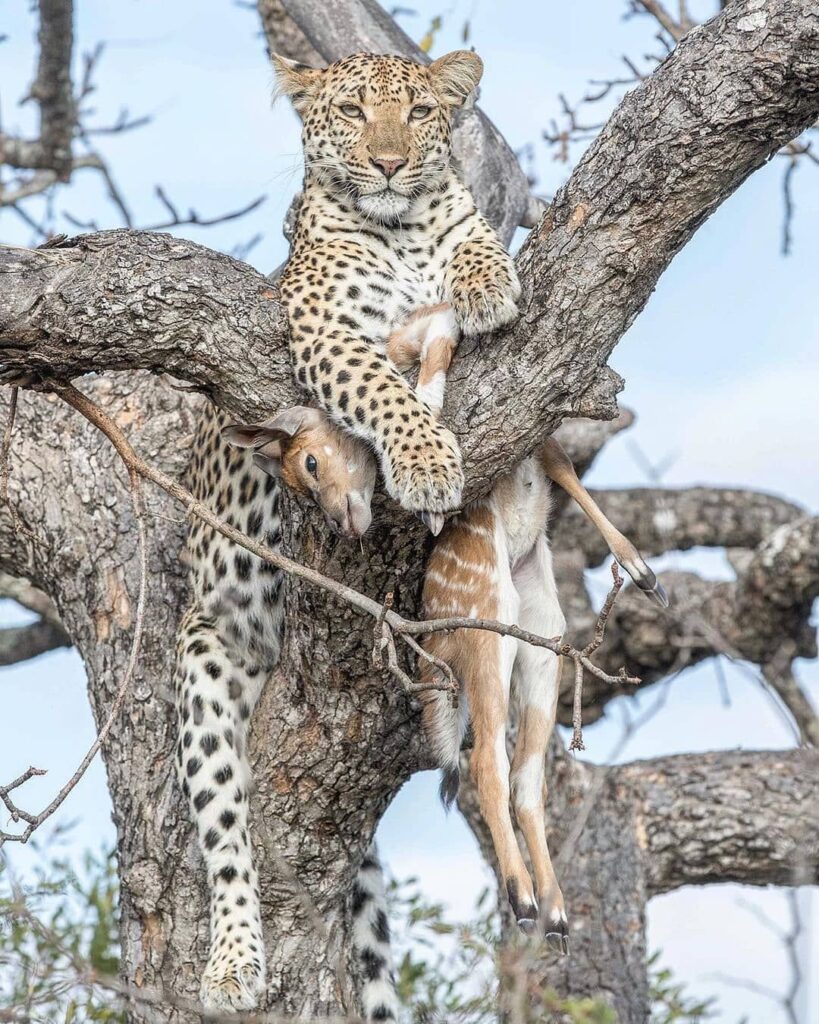
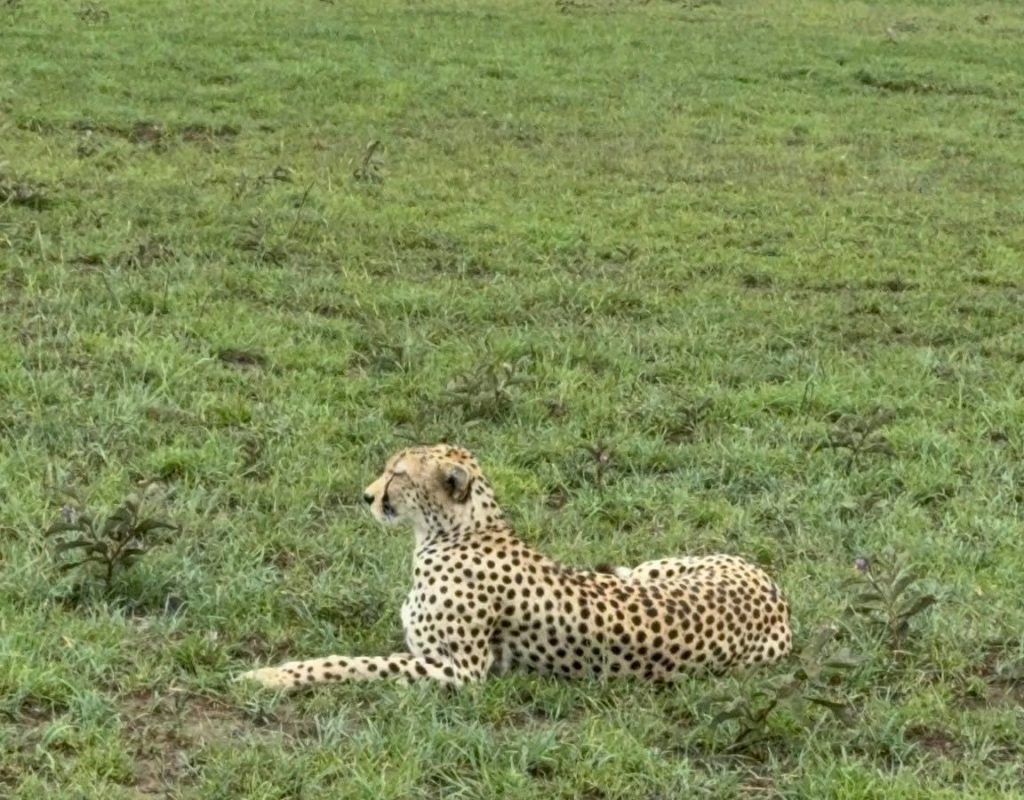
The Serengeti is home to the Big Five—lions, leopards, elephants, rhinos, and buffaloes—making it a prime safari destination. In addition, cheetahs, hyenas, giraffes, hippos, and hundreds of bird species enrich the experience.
Diverse Landscapes
The park’s landscapes are as varied as its wildlife. Southern grassy plains, western wooded savannas, and scattered kopjes (rock outcrops) each offer unique vistas. Furthermore, the Grumeti River is famous for dramatic crossings during the migration.
Seronera Valley
Located in the heart of the Serengeti, the Seronera Valley is known for abundant resident wildlife and picturesque scenery. It is a hotspot for predators, particularly lions and leopards, and provides year-round game viewing.
Ngorongoro Conservation Area
Adjacent to the Serengeti, the Ngorongoro Conservation Area includes the world-renowned Ngorongoro Crater. Its lush landscape hosts a dense concentration of wildlife, offering one of Africa’s best opportunities to see the Big Five.
Activities
- Game Drives: Guided drives across vast plains bring close encounters with diverse wildlife.
- Hot Air Balloon Safaris: At dawn, float above the plains as the sun rises and animals stir below.
- Bird Watching: With over 500 species, the Serengeti is a paradise for bird enthusiasts.
- Walking Safaris: Guided walks reveal flora, insects, and smaller wonders of the ecosystem.
- Cultural Tours: Visit Maasai villages to learn about traditions and their relationship with the land.
Best Time to Visit
- June–October (Dry Season): Best for game viewing, as animals gather near water sources.
- November–March (Short Rains & Calving): Thousands of wildebeest calves are born, attracting predators.
- April–May (Long Rains): Heavy rains make some areas inaccessible, reducing wildlife visibility.
Conservation and Sustainability
Serengeti National Park leads conservation efforts to protect ecosystems and wildlife. Management emphasizes sustainable tourism to minimize environmental impact. Moreover, anti-poaching initiatives, habitat restoration, and community engagement strengthen protection. Local communities benefit through tourism jobs, education, and revenue-sharing programs. Education campaigns also foster stewardship among younger generations.
Conclusion
Serengeti National Park offers an unparalleled wildlife experience. Whether witnessing the Great Migration, exploring plains on a game drive, or floating above the savannah in a balloon, the Serengeti promises adventure. Ultimately, its biodiversity, conservation legacy, and cultural depth make it a must-visit destination for safari enthusiasts.
Official Link: Tanzania National Parks Authority – Serengeti National Park
FAQ
Most frequent questions and answers
Serengeti National Park is located in northern Tanzania and covers over 14,750 square kilometers
The best time to visit is during the dry season from late June to October, when wildlife viewing is ideal and the Great Migration occurs
The Great Migration is the annual movement of over a million wildebeest, along with zebra and other animals, between the Serengeti and the Maasai Mara in Keny
Yes, Tanzania is one of the safest countries in East Africa, and the Serengeti is well-managed with professional security
You can travel by vehicle from Arusha or Kilimanjaro International Airport, or by light aircraft to one of the Serengeti airstrips
Activities include safari game drives, hot air balloon rides, Maasai village tours, nature walks, picnics, and bush meals
It’s recommended to stay at least 3 days and 2 nights to fully experience the park’s wildlife and landscapes
There is network coverage in some areas, but it can be limited in remote parts of the park. Some lodges offer Wi-Fi and internet access.
