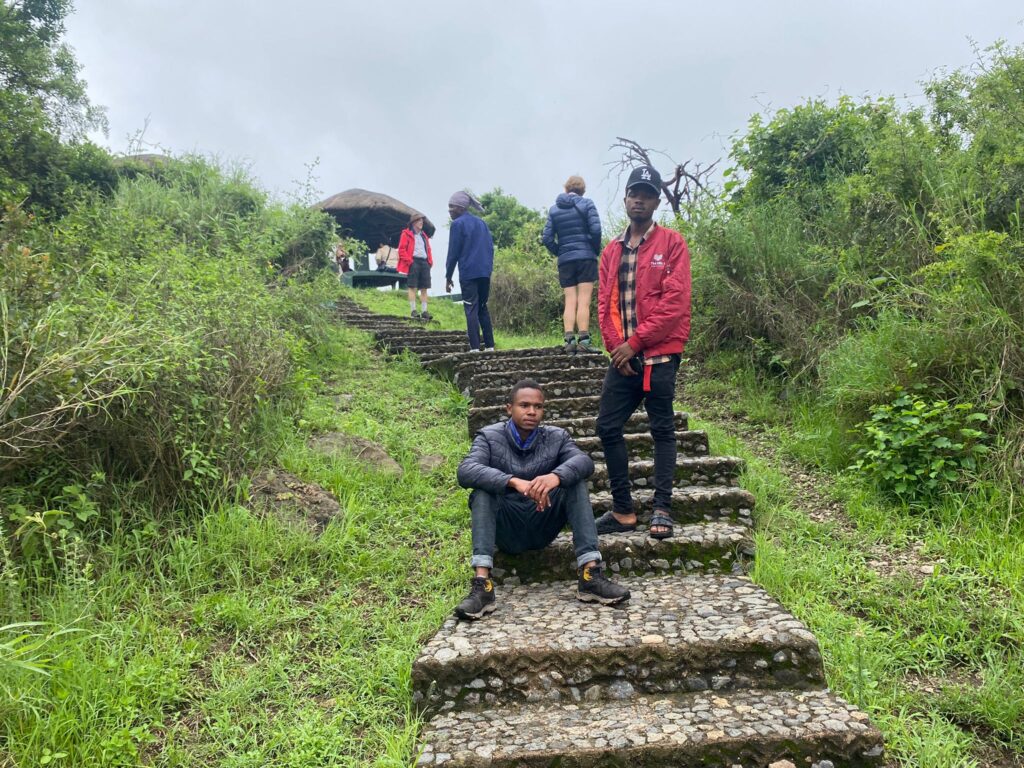
Arusha National Park is a gem nestled in northern Tanzania, renowned for its breathtaking landscapes and diverse ecosystems. Covering approximately 137 square kilometers, the park is located near the town of Arusha and is easily accessible from Kilimanjaro International Airport. Despite its modest size, the park is rich in attractions and activities that make it a must-visit for nature lovers and adventure seekers.
History of Arusha National Park:
Arusha National Park was established in 1960 and has since been a vital conservation area in Tanzania. It initially encompassed the Ngurdoto Crater and Momella Lakes, with the addition of Mount Meru making it a unique blend of volcanic and aquatic landscapes. The park’s creation aimed to protect these diverse ecosystems and the wildlife that inhabits them. Today, it continues to play a crucial role in conservation efforts, offering a sanctuary for numerous plant and animal species.
Key Features and Attractions:
- Mount Meru: The Park is home to Mount Meru, the fifth-highest mountain in Africa at 4,566 meters (14,980 feet). This dormant stratovolcano offers challenging trekking opportunities, often used as a warm-up for climbers aiming to conquer Mount Kilimanjaro. The trek provides stunning views of the Meru Crater, lush montane forests, and varied wildlife.
- Ngurdoto Crater: Often referred to as the “Little Ngorongoro,” Ngurdoto Crater is a volcanic caldera that spans about 3 kilometers in diameter. It features lush rainforest and a plethora of wildlife, including buffaloes, warthogs, and baboons. The crater rim provides excellent viewpoints for observing the verdant landscape and its inhabitants.
- Momella Lakes: A series of seven shallow alkaline lakes, the Momella Lakes are famous for their vibrant flamingo populations and other water birds. Each lake has a distinct hue, ranging from green to blue, due to the varying mineral content and algae growth. Canoeing on the lakes offers a peaceful way to explore the aquatic life and surrounding scenery.
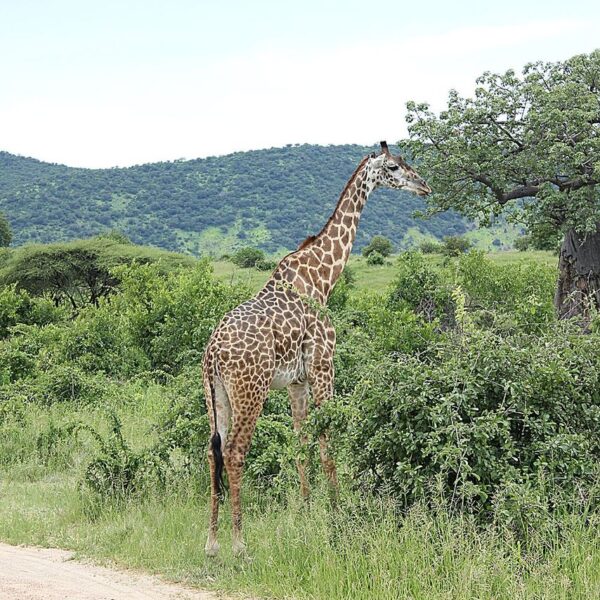
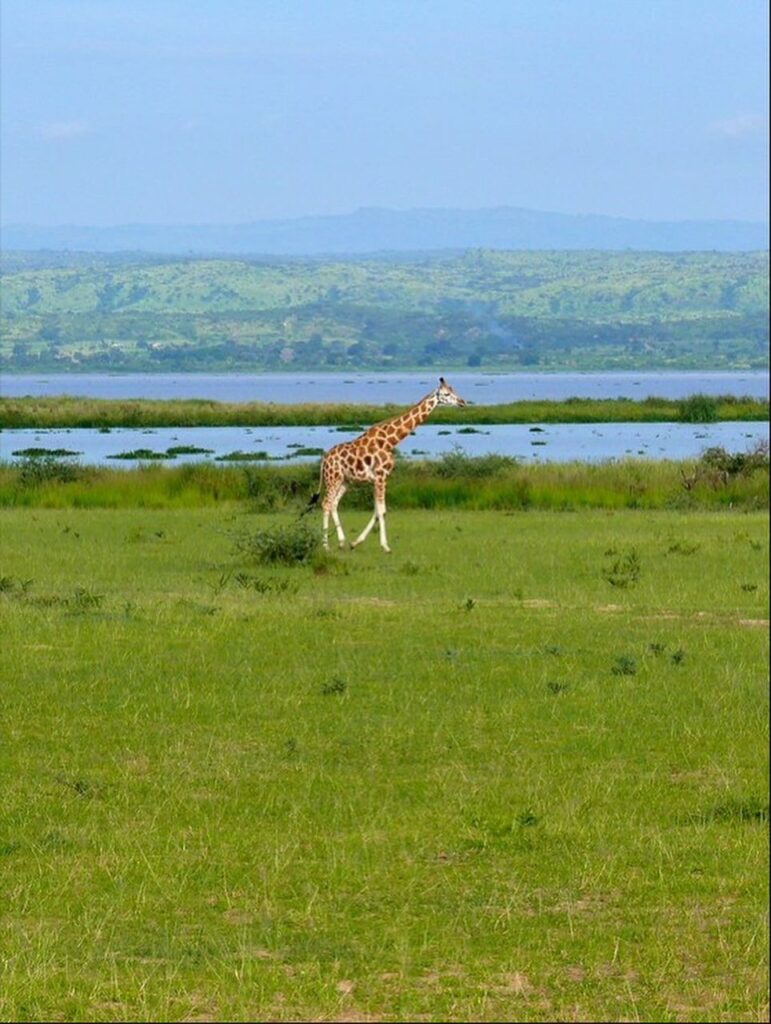
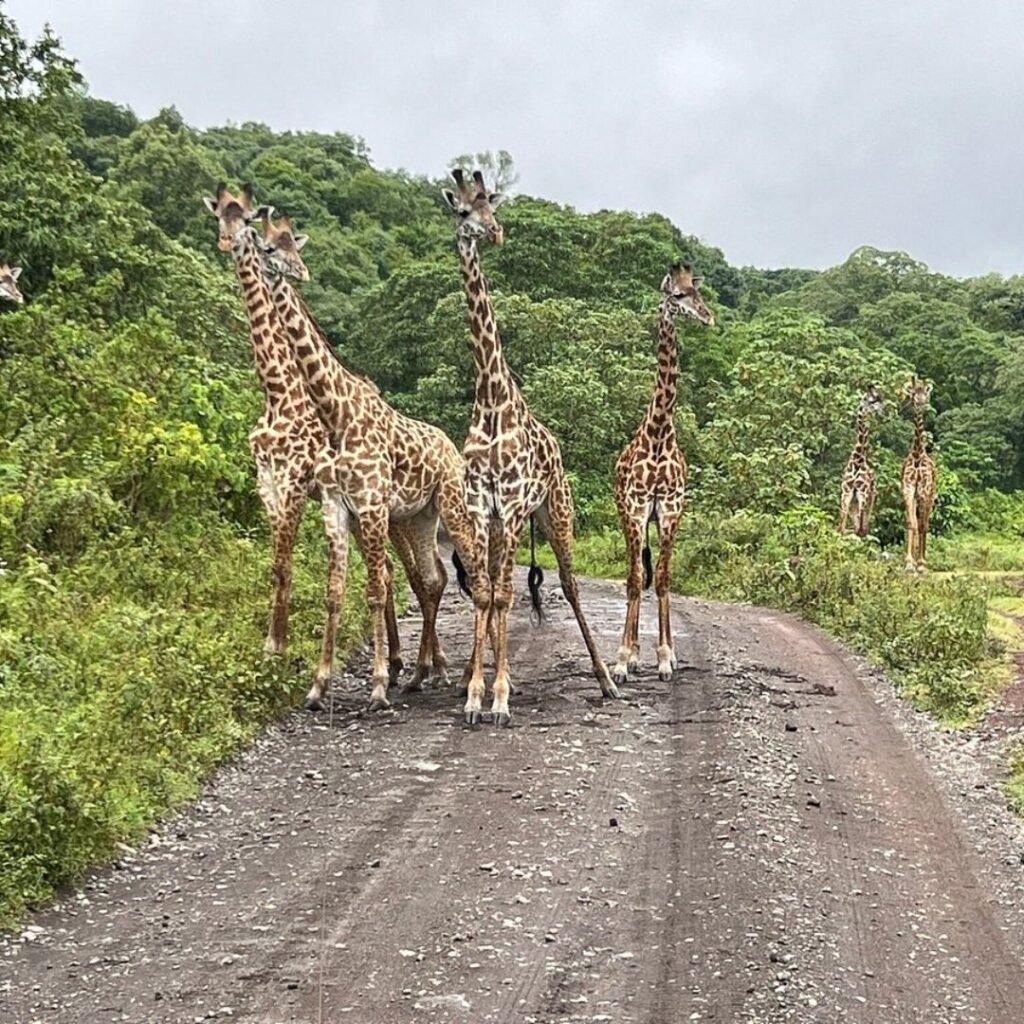
- Diverse Ecosystems: Arusha National Park boasts an array of habitats, from dense montane forests and savannahs to alpine deserts. This diversity supports a rich variety of flora and fauna, making it a haven for wildlife enthusiasts and bird watchers. Notable species include giraffes, zebras, leopards, and a myriad of bird species.
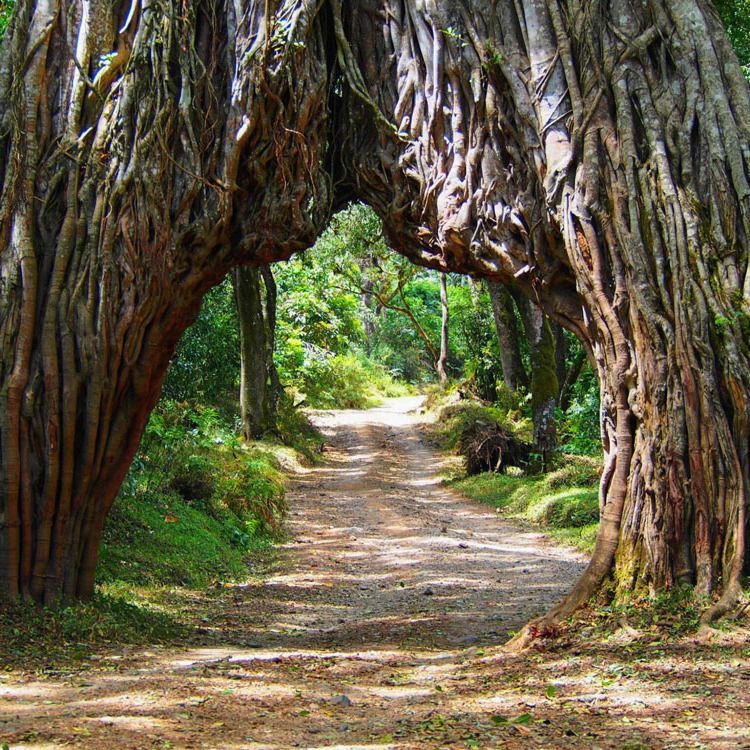
- Waterfalls: The Park is dotted with picturesque waterfalls, such as the Tululusia Waterfall, which cascades down the slopes of Mount Meru. These falls are accessible via hiking trails that meander through the lush forest, offering refreshing stops and photo opportunities.
Activities:
- Game Drives: Explore the park’s diverse landscapes and wildlife through guided game drives, offering close encounters with various animal species.
- Hiking and Trekking: Enjoy hikes to scenic spots like the Ngurdoto Crater rim or the summit of Mount Meru, suitable for all fitness levels.
- Canoeing: Paddle through the tranquil waters of the Momella Lakes, observing flamingos and other water birds up close.
- Bird Watching: With over 400 bird species recorded, the park is a paradise for bird watchers, particularly around the lakes and forest areas.
- Guided Walks: Embark on guided walking safaris to explore the park’s flora, fauna, and unique geological features at a leisurely pace.
Best Time to Visit:
The best time to visit Arusha National Park is during the dry seasons, which offer more stable weather and better wildlife viewing opportunities. These periods are:
- June to October: This is the peak season for wildlife viewing, as the dry conditions concentrate animals around water sources, making them easier to spot. The weather is typically sunny and clear, ideal for game drives and hiking.
- December to March: This is another good time to visit, particularly for bird watching as migratory birds are present. The short rainy season from November to December makes the landscape lush and green, though some trails may be muddy.
Avoiding the long rainy season from April to May is advisable, as heavy rains can make some areas of the park inaccessible and wildlife viewing more challenging.
Conservation and Sustainability:
Arusha National Park plays a crucial role in conservation efforts, protecting diverse ecosystems and endangered species. The park’s management focuses on sustainable tourism, minimizing environmental impact while maximizing visitor experience. Community engagement and education programs help foster a sense of stewardship among local populations.
Conclusion:
Arusha National Park offers a rich tapestry of natural beauty and adventure, making it a must-visit destination for nature lovers and outdoor enthusiasts. Whether hiking Mount Meru’s slopes, canoeing on the Momella Lakes, or observing wildlife in their natural habitats, the park promises an unforgettable experience immersed in the wonders of Tanzania’s wilderness. Its accessibility, combined with the variety of activities and landscapes, ensures that every visitor leaves with memories of a truly remarkable journey.