
- Home
- Gombe National Park
Gombe National Park
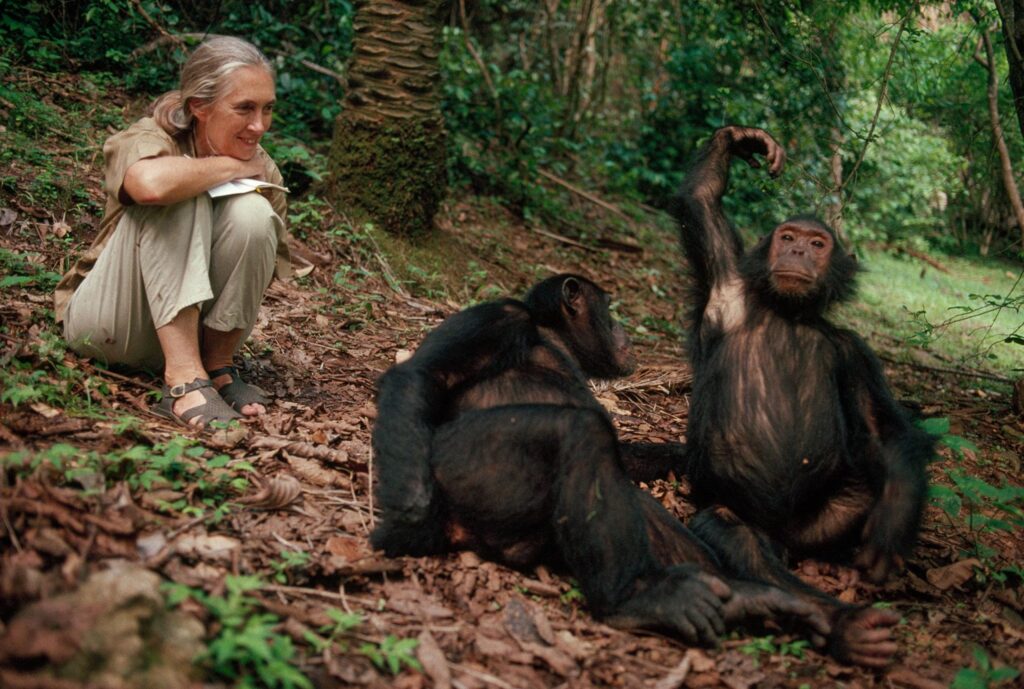
Gombe Stream National Park, located on the western shore of Lake Tanganyika in Tanzania, is one of the smallest national parks in the country, covering only 35 square kilometers. Despite its size, Gombe is world-renowned for its primate population, particularly the chimpanzees studied by Dr. Jane Goodall since 1960. The park’s dense forests, steep valleys, and clear streams create a lush and vibrant ecosystem that supports a rich variety of wildlife.
History of Gombe Stream National Park:
Gombe Stream National Park was established in 1968, largely as a result of the pioneering work of Dr. Jane Goodall, who began her groundbreaking research on the park’s chimpanzees in 1960. Through her work, her studies revolutionized our understanding of primate behavior and cognition. Furthermore, her conservation efforts have brought global attention to the importance of preserving chimpanzees and their habitats. Consequently, the park remains a vital research site, attracting scientists and conservationists from around the world.
Key Features and Attractions:
- Chimpanzee Tracking: Gombe Stream National Park is most famous for its chimpanzees. Visitors have the rare opportunity to track these primates in their natural habitat and observe their complex social behaviors. Guided treks allow you to witness these incredible animals up close, making for an unforgettable experience.
- Forested Landscapes: The Park’s landscape is dominated by steep valleys, clear streams, and dense forests, providing a diverse and picturesque environment. The forest is home to a variety of other primates, including red colobus monkeys, olive baboons, and velvet monkeys.
- Bird Watching: With over 200 bird species recorded, Gombe is a haven for bird watchers. The park’s diverse habitats attract a wide range of birds, including the fish eagle, palm-nut vulture, and crowned eagle. The mix of forest and lake shore environments offers ample opportunities for bird enthusiasts to spot both resident and migratory species.
- Lake Tanganyika: The Park’s western boundary is formed by the shores of Lake Tanganyika, one of the world’s deepest and oldest freshwater lakes. The lake’s clear waters are perfect for swimming and snorkeling, offering visitors a chance to cool off after a day of trekking. The lake also supports a rich variety of fish species, making it a popular spot for angling and boating.
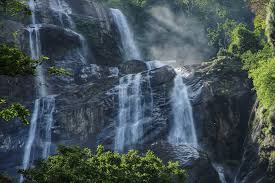
- Kakombe Waterfall: One of the park’s scenic highlights is the Kakombe Waterfall. A short hike through the forest leads you to this picturesque cascade, where you can relax and enjoy the tranquil surroundings. The waterfall is particularly beautiful during the rainy season when the flow is at its peak.
Activities:
- Chimpanzee Tracking: Join guided treks to observe chimpanzees in their natural habitat, learning about their behavior and social structures.
- Bird Watching: With its rich avian diversity, Gombe offers excellent bird watching opportunities. Bring your binoculars and camera to capture the park’s vibrant birdlife.
- Hiking: Explore the park’s trails and discover its diverse landscapes, from dense forests to clear streams and waterfalls.
- Swimming and Snorkeling: Enjoy the clear waters of Lake Tanganyika, perfect for swimming and snorkeling.
- Cultural Tours: Visit local villages to learn about the traditional ways of life and the cultural heritage of the communities living near the park.
Best Time to Visit:
The best time to visit Gombe Stream National Park is during the dry season, which runs from June to October. During this time, the trails are easier to navigate, and chimpanzee sightings are more frequent as they come down from the hills in search of food. The weather is also cooler and more comfortable for trekking.
The rainy season, from November to May, brings lush, green landscapes and plentiful water sources, but the trails can become slippery and more challenging to traverse. However, this period is excellent for bird watching, as the park is home to numerous migratory species.
Conservation and Sustainability:
Gombe Stream National Park is at the forefront of conservation efforts, aiming to protect its unique ecosystems and wildlife populations, particularly the endangered chimpanzees. The park’s management focuses on sustainable tourism practices to minimize the environmental impact and ensure that the natural beauty and ecological integrity of Gombe are preserved for future generations.
The Jane Goodall Institute plays a crucial role in these conservation efforts, supporting research, education, and community development programs. Local communities are actively involved in conservation activities, benefiting from tourism and fostering a sense of stewardship over their natural resources. Education programs raise awareness about the importance of preserving Gombe’s natural heritage, promoting sustainable practices and wildlife protection.
Conclusion:
Gombe Stream National Park offers a unique and intimate wildlife experience, with its lush landscapes, diverse ecosystems, and renowned chimpanzee population. Whether you’re tracking chimpanzees through the forest, bird watching by the lake, or exploring the park’s trails and waterfalls, Gombe promises an unforgettable adventure in the heart of Tanzania’s wilderness. Its rich biodiversity, conservation efforts, and cultural heritage make it a must-visit destination for nature lovers and wildlife enthusiasts.

FAQ
Most frequent questions and answers
Gombe National Park is located on the western border of Tanzania, on the shores of Lake Tanganyika.
Gombe National Park is famous for the pioneering research conducted by Dr. Jane Goodall on chimpanzees, which began in 1960 and continues to this day.
You can see chimpanzees, vervet monkeys, red-tailed monkeys, blue monkeys, baboons, and various bird species. The park is known for its habituated chimpanzee troops, which allow for close observation.
Activities include chimpanzee trekking, guided forest walks, hiking, and visiting the park’s waterfalls.
The park is accessible by light aircraft from Arusha or Dar es Salaam, or by boat from Kigoma. It is also possible to reach Gombe by road, although it is a long journey.
The best time to visit is during the dry season, from June to October, when the park is more accessible and wildlife viewing is optimal.
Yes, Gombe National Park is generally safe for visitors. However, it is important to follow park guidelines and respect the wildlife.
A stay of 1-2 days is typically sufficient to see the chimpanzees and explore the park, but you can extend your visit to include other nearby attractions.
There are a few lodges and campsites within the park that offer various levels of comfort and amenities.

